I provide powerful spiritual solutions for love problems, family conflicts, and relationship challenges. My spells are designed not only to heal broken bonds but also to block third-party interferences, ensuring that no one stands between you and your true soulmate.
Don’t let obstacles or outside influences take away your happiness. With my guidance, you can restore love, rebuild trust, and protect your relationship from harm.
Feel free to call today for your consultation and learn more about me, my services, or to ask any questions you may have.
Spellcaster Batha
Find Me On
Posted on Google
More FC COLLEGE
Trustindex verifies that the original source of the review is Google.
What nonsense once someone's mind is made up it is made up!
Posted on Google
Call Me nice
Trustindex verifies that the original source of the review is Google.
So Grateful for the Changes I reached out to Batha during a really difficult time in my life. My marriage had fallen apart and I was going through a messy divorce. We barely spoke anymore and when we did it usually turned into an argument. With kids involved, it was incredibly painful and all I wanted was some kind of peace or a chance to fix things if it was still possible. After working with Batha, I slowly started noticing changes. Communication between us began to open up again, which honestly surprised me. We ended up having a few long conversations where we talked about things we had both been holding in for a long time. One evening we sat down and talked for hours and finally cleared the air about a lot of things that had built up over time. That conversation really shifted things between us. Since then we’ve been spending more time together and trying again, and our relationship actually feels stronger than it did before. I’m really grateful to Batha for helping me through such a stressful and emotional situation. There were moments when I had doubts or felt impatient, but he stayed calm and patient the whole time. I truly appreciate the support and guidance he gave me.
Posted on Google
Michael Sonny
Trustindex verifies that the original source of the review is Google.
Highly Recommend: Honest and Effective I’m a returning customer and I highly recommend Batha. One thing I really respect about him is his honesty. The first time I contacted him, he actually told me my request wouldn’t work and didn’t want to charge me for something he didn’t believe would be successful. That really showed his integrity. About two years later, I reached out to Batha again, this time for protection. I felt like there was a lot of negativity and outside pressure around my situation, and after working with him I began to feel much more protected and at peace. I also asked for help with reconciliation, and I’m already seeing positive changes. After a period of distance, we’ve started communicating again and things are slowly moving in the right direction. If you see this, Batha, I truly appreciate everything you’ve done for me. Thank you
Posted on Google
ghost spirit
Trustindex verifies that the original source of the review is Google.
Monalissa, Los Angeles "After facing a challenging period in my marriage, I reached out to Prof. Batha, a renowned healer known for his expertise in restoring family unity with his Reconciliation love spell. With just one session, I felt an incredible shift in my relationship with my spouse. The tension and misunderstandings that had built up over time seemed to melt away, and we started communicating more openly. Prof. Batha not only performed a powerful reconciliation ritual but also provided valuable guidance that helped us reconnect on a deeper level. If you’re looking to restore harmony in your marriage and family, I highly recommend Prof. Batha for his genuine care and profound knowledge."
Owner's reply Thank you so much for sharing your heartfelt experience! We are truly honored to have been part of your journey toward restoring harmony in your marriage. Prof. Batha’s dedication to helping families reconnect and overcome difficult times is at the core of his work as a spiritual healer. It’s inspiring to hear how his Reconciliation Love Spell and guidance have transformed your relationship, bringing back open communication and deeper understanding. Your story is a beautiful reminder that with the right support, healing and unity are possible. Wishing you continued love and happiness as your family bond grows even stronger.
Posted on Google
Justin Wellington
Trustindex verifies that the original source of the review is Google.
I was feeling overwhelmed by negativity and bad energy surrounding me, and I knew I needed something more powerful. That’s when I turned to Prof. Batha, a true shaman and expert in protection spells. His protection spell was life-changing! Within days, I felt a complete shift in my energy. He’s not just a shaman; he’s a spiritual guide who can truly shield you from harm. If you’re in Manhattan and need a powerful protection spell, Prof. Batha is the one to go to. — Justin, Manhattan
Owner's reply Thank you, Justin, for sharing your remarkable experience. We’re truly touched to hear how Prof. Batha’s love spells and return lost love spells brought such profound healing and transformation to your relationship. Restoring understanding and harmony where it seemed impossible is what makes Prof. Batha’s role as a spiritual healer so unique and powerful. Your story of overcoming the past and finding renewed love and forgiveness is a testament to his expertise and the depth of his spiritual healing. May your relationship continue to grow in strength and love. We’re honored to have been part of your journey.
Posted on Google
ngwako jack
Trustindex verifies that the original source of the review is Google.
I thought the damage between us was irreversible, but after Prof. Batha’s love spell and return lost love spell, my ex started seeing things from my perspective. His work as a spiritual healer mended our broken relationship, helping us find forgiveness and understanding. I am forever grateful to Prof. Batha’s spiritual healing and his ability to use love spells that work so quickly and effectively. We’ve been able to heal together and rebuild a stronger bond. Prof. Batha is truly a gifted spiritual healer and love expert! — jackie, New York
Owner's reply Thank you, Jackie, for sharing your remarkable experience. We’re truly touched to hear how Prof. Batha’s love spells and return lost love spells brought such profound healing and transformation to your relationship. Restoring understanding and harmony where it seemed impossible is what makes Prof. Batha’s role as a spiritual healer so unique and powerful. Your story of overcoming the past and finding renewed love and forgiveness is a testament to his expertise and the depth of his spiritual healing. May your relationship continue to grow in strength and love. We’re honored to have been part of your journey! 🌟
Posted on Google
Negrette Lisa
Trustindex verifies that the original source of the review is Google.
My breakup left me heartbroken and lost, but Prof. Batha’s love spell, combined with his return lost love spell, gave me hope. His work as a spiritual healer is nothing short of magical. Not only did his love spell bring back my ex, but his spiritual healing helped both of us overcome the emotional pain that had been holding us back. My ex came back to me after a month of silence, and we’ve been inseparable ever since. If you’re looking for a spiritual healer who can truly mend broken hearts, Prof. Batha is the one to trust. — Lisa, Brooklyn
Owner's reply Thank you so much for your heartfelt review! Your experience truly highlights the impact of my work, and I'm thrilled to hear that the love spell and spiritual healing helped you and your ex reconnect. Positive testimonials like yours not only encourage others to seek healing but also enhance my visibility in the community, allowing more people to find the support they need. I'm grateful for your trust and hope your journey continues to be filled with love and happiness.
"We cast powerful spells to help someone fall deeply in love with you. Guided by Batha, a master spellcaster, these online love spells are designed to return lost love, reignite passion, and restore meaningful connections. Whether you seek reconciliation with an ex or to strengthen a fading bond, our spells channel ancient forces to bring love back into your life."
If you’re searching for a commitment spell, chances are the relationship already feels close, but not complete.
Perhaps you’ve been dating for months, spending time together, talking every day, and even making future plans. Yet whenever the relationship begins moving toward something more serious, your partner pulls back, changes the subject, or says they’re “not ready.”
That uncertainty can be confusing. It may be due to the fact that commitment isn’t always blocked by a lack of love. Sometimes it’s fear of vulnerability, fear of repeating past mistakes, unresolved emotional wounds, or uncertainty about what a long-term relationship really means.
A commitment spell is intended to support relationships where two people already share a genuine emotional connection but are struggling to move beyond hesitation. Rather than forcing someone against their will, many people seek this type of spiritual guidance to encourage emotional openness, strengthen trust, reduce fear, and create space for a healthy commitment to develop naturally.
In this guide, you’ll learn what a commitment spell is, why some people struggle with commitment, the signs that someone may genuinely care but fear taking the next step, and how spiritual work is often combined with honest communication to help a relationship move forward.
Table of Contents
What Is a Commitment Spell?
A commitment spell is a form of spiritual guidance that focuses on helping a relationship move toward greater emotional security, trust, and long-term commitment. People often seek a spell for commitment when they already share a meaningful connection with someone but feel that fear, uncertainty, or emotional barriers are preventing the relationship from progressing.
Unlike spells that focus on attracting a new partner, a love commitment spell is centred on strengthening an existing bond. The intention is to encourage emotional openness, improve communication, reinforce loyalty, and help both partners feel more confident about building a future together.
People often search for the best commitment spell, a powerful commitment spell, or a commitment spell that works because they’re looking for reassurance that their relationship can move forward. In reality, there isn’t one approach that’s right for every couple. The most effective commitment spell depends on the relationship itself, the emotional barriers involved, and whether both partners genuinely want to build a future together.
Every relationship reaches moments where important decisions arise. Moving from casual dating to an exclusive relationship, discussing marriage, planning a future together, or rebuilding trust after difficult experiences can all bring uncertainty. For some people, a commitment ritual becomes part of a broader journey that also includes honest conversations, personal growth, and mutual effort.
When approached with positive intentions, spiritual work is not about forcing someone’s feelings or removing their free will. Instead, many people use it to create an environment where fear begins to lose its influence, allowing genuine emotions and relationship commitment to develop more naturally.
Why people look for a commitment spell
People rarely search for a commitment spell because love is completely absent.
More often, they already have someone they deeply care about. The relationship may be affectionate, exclusive, and emotionally close, yet every conversation about taking the next step seems to end with hesitation.
Some are hoping their boyfriend will stop avoiding conversations about the future. Others want to rebuild trust after previous heartbreak, strengthen a serious relationship, or understand why someone who clearly loves them still struggles to commit.
In many cases, the goal isn’t simply hearing the words “I commit.” It’s creating a relationship built on emotional security, mutual trust, shared goals, and the confidence to build a lasting future together.
Why Do Some People Struggle With Commitment?
People rarely struggle with commitment because they don’t care about their partner. More often, they struggle because commitment represents something much bigger than simply saying “yes” to a relationship. For one person, commitment means safety and building a future together. For another, it may represent vulnerability, responsibility, loss of independence, or the fear of making a decision they can’t easily undo. Understanding what someone is truly afraid of often provides far more clarity than assuming they simply don’t want a serious relationship.
Every relationship is different, but these are some of the most common reasons people hesitate before making a long-term commitment.
Fear of Losing Freedom
For some people, commitment feels like losing the freedom to make their own choices. They worry that a serious relationship means giving up their independence, changing their lifestyle, or no longer having the flexibility to pursue personal goals and experiences.
In reality, healthy relationship commitment doesn’t require someone to lose who they are. Strong relationships are built by two individuals who continue to grow together while still respecting each other’s independence, interests, and ambitions.
Fear of Being Hurt Again
Past heartbreak can make it difficult to trust another person completely.
Someone who has experienced betrayal, infidelity, abandonment, or a painful breakup may hesitate to become emotionally invested again. Rather than risking the same pain twice, they keep emotional walls in place, even when the relationship itself is healthy.
This hesitation isn’t always a lack of love. Sometimes it’s a protective response created by previous experiences that haven’t fully healed.
Fear of Making the Wrong Choice
Commitment often feels permanent, even when it isn’t.
Some people constantly question whether they’re making the right decision, wondering if they’re choosing the right partner or whether someone more compatible could come along later. This endless search for certainty can make it difficult to move a relationship forward, even when everything else is going well.
Waiting for absolute certainty often creates more uncertainty, causing promising relationships to remain stuck without clear direction.
Fear of Vulnerability
A lasting relationship requires emotional openness.
For someone who has spent years protecting themselves, allowing another person to see their fears, insecurities, and deepest emotions can feel overwhelming. The closer the relationship becomes, the more vulnerable they feel, which may cause them to withdraw just as the relationship begins becoming more serious.
Many people mistake this emotional retreat for a lack of interest when it may actually be fear of being hurt.
Fear of Responsibility
Commitment also brings responsibility.
Planning a future together, supporting another person emotionally, making shared decisions, and considering marriage or family life can feel like a major life transition. Some people aren’t afraid of love itself, they’re afraid of the responsibilities that often come with a serious relationship.
When those responsibilities feel overwhelming, hesitation naturally follows.
Fear of Repeating the Past
Childhood experiences and previous relationships often shape how people view commitment.
Someone who grew up witnessing constant conflict, betrayal, or divorce may unconsciously expect every relationship to end the same way. Even if their current partner is trustworthy, those old experiences can create doubts that have very little to do with the present relationship.
Healing those emotional patterns often requires time, self-awareness, and open communication.
They May Simply Not Be Ready
Sometimes the simplest explanation is the correct one.
A person may genuinely care about their partner while recognising they’re not emotionally, financially, or personally prepared for a long-term commitment. They may still be focusing on personal growth, recovering from a previous relationship, or working through challenges that have nothing to do with the person they’re dating.
Being unprepared doesn’t automatically mean the relationship has no future, but it does mean both partners need honest conversations about their expectations and shared goals.
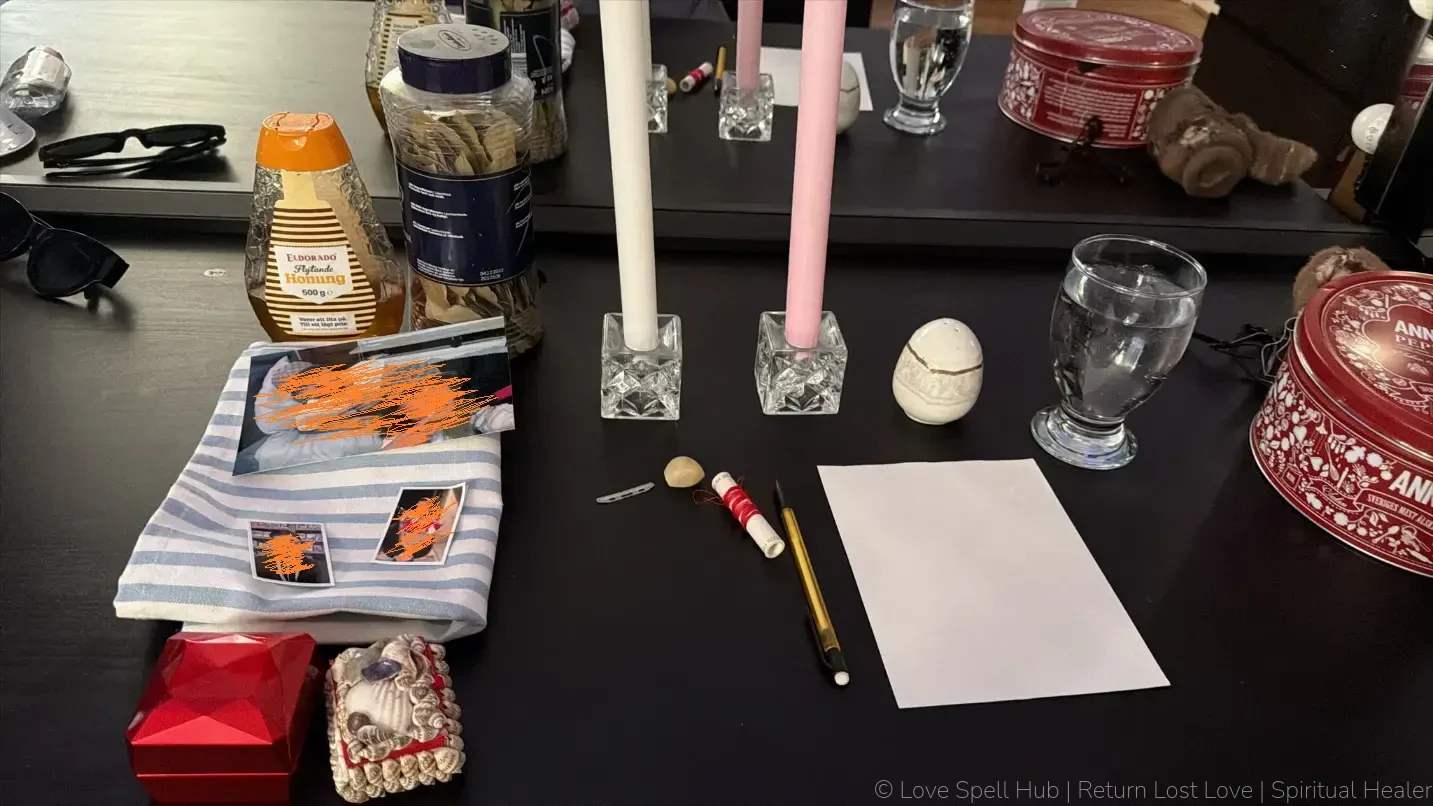
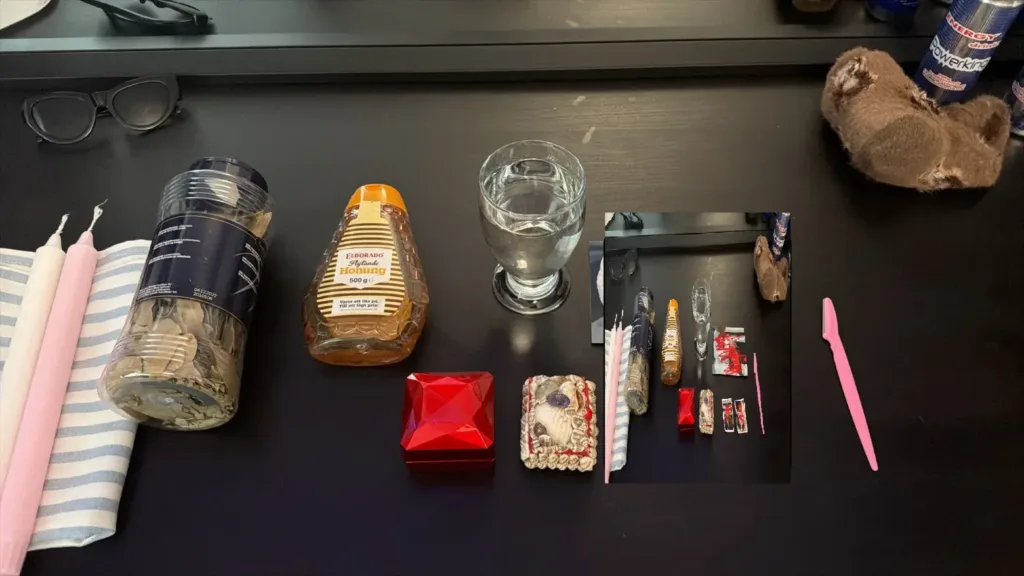
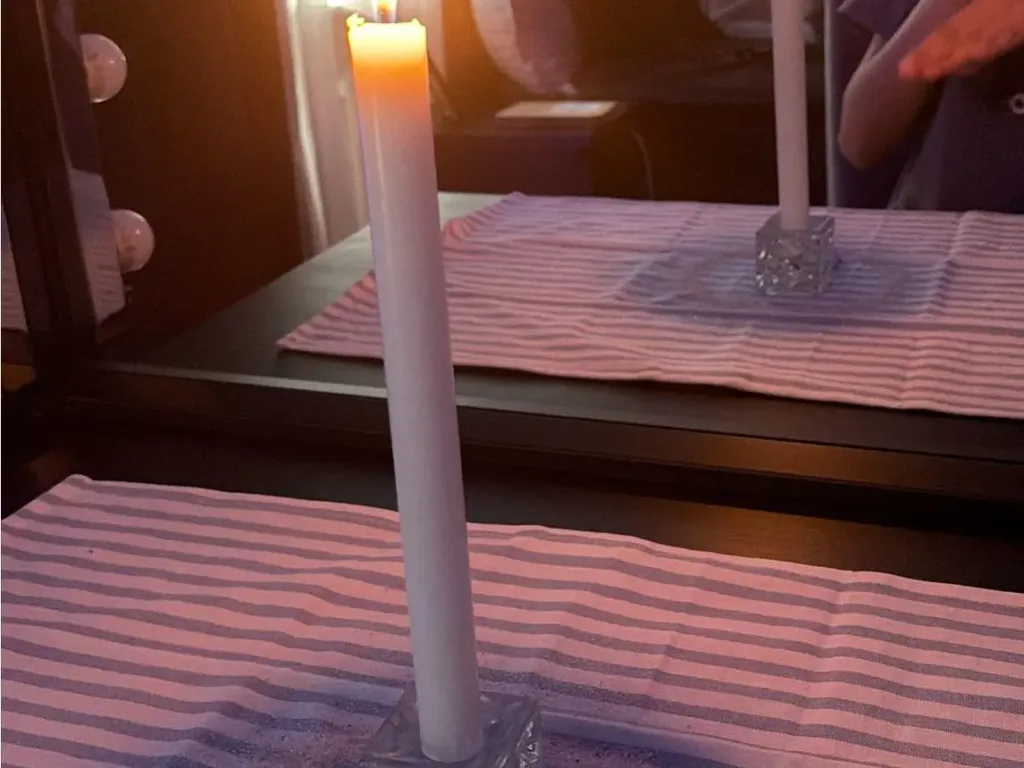
Traditional shrine altar elements used to demonstrate how commitment spells work
Is It Really a Commitment Issue?
Not every relationship that struggles to move forward is facing a commitment issue. Sometimes the hesitation comes from fear or uncertainty. Other times, the two people simply want different things from the relationship.
Understanding the difference is important because the solution isn’t always the same. Someone who genuinely wants a future but feels emotionally overwhelmed will often behave very differently from someone who has no intention of building a long-term relationship.
Before assuming commitment is the problem, look at the relationship as a whole.
They Want Commitment, but They’re Afraid
Some people genuinely want a lasting relationship but hesitate whenever the next step becomes real.
They may talk about the future, introduce you to family and friends, or show consistent affection, yet become anxious when conversations turn toward moving in together, marriage, or building a life together.
In many cases, the relationship isn’t missing love. It’s missing emotional confidence. Fear of vulnerability, previous heartbreak, or uncertainty about the future can make commitment feel overwhelming, even when the feelings are genuine.
They Care About You, but You’re Moving at Different Speeds
Every relationship develops differently.
One partner may already be thinking about engagement or marriage, while the other is still adjusting to the idea of an exclusive relationship. That difference doesn’t automatically mean the relationship is failing.
Healthy couples often move forward by having honest conversations about expectations, timelines, and shared goals rather than assuming both people will reach every milestone at exactly the same time.
They May Be Emotionally Unavailable
Sometimes commitment isn’t the real issue.
A person may still be healing from a previous relationship, dealing with unresolved emotional wounds, or struggling to form deeper emotional connections. They may enjoy companionship while finding it difficult to become fully emotionally available.
This can create confusing mixed signals because their actions may show affection while their willingness to build a future remains inconsistent.
Your Relationship Goals Don’t Align
Love alone doesn’t always create compatibility.
One person may dream of marriage, children, and a lifelong partnership, while the other prefers a casual relationship or isn’t interested in long-term commitment at all.
Neither goal is necessarily wrong, but if both people want different futures, no amount of waiting will create genuine alignment.
Having open conversations about relationship commitment, shared values, and future plans can prevent months or even years of uncertainty.
They Simply Don’t See a Long-Term Future
This is often the hardest possibility to accept.
Sometimes a partner enjoys the relationship but doesn’t see it becoming permanent. They may avoid conversations about the future, refuse to define the relationship, or repeatedly delay important decisions without offering clear reasons.
While this can be painful, recognising the difference between hesitation and lack of intention helps you make informed decisions about your own future instead of remaining in emotional uncertainty.
Look at Consistent Actions, Not Just Promises
Words can offer reassurance, but consistent actions reveal where a relationship is heading.
Someone who genuinely wants to build a future usually shows it through their behaviour. They make time for the relationship, include you in future plans, communicate openly, and gradually become more comfortable discussing long-term goals.
If months or years pass with no meaningful progress despite repeated conversations, it’s worth asking whether the relationship is truly moving forward or simply remaining in the same place.
Recognising the reason behind someone’s hesitation is only part of the picture.
The next question becomes even more important:
How can you tell whether someone genuinely wants to commit but feels afraid, or whether they’re simply keeping the relationship from moving forward?That’s exactly what we’ll explore next.
Signs Someone Wants to Commit but Feels Afraid
Someone who fears commitment doesn’t always avoid the relationship. In many cases, they become deeply invested emotionally while struggling with the weight of taking the next step.
Their feelings and their fears begin pulling in opposite directions. One part of them wants to build a future together, while another keeps asking, “What if this goes wrong?”
Although every relationship is different, these signs often suggest that someone cares deeply but is wrestling with commitment rather than avoiding the relationship altogether.
They Include You in Their Future
People who genuinely see you in their future naturally begin talking about it.
They may mention future holidays, places they’d like to visit together, career plans, or even where they’d like to live one day. They aren’t avoiding tomorrow, they’re simply nervous about making permanent decisions today.
Future conversations often reveal more about someone’s intentions than grand romantic gestures.
They Consistently Show Up
Consistency usually says more than promises ever can.
Someone who wants a lasting commitment makes time for you, communicates regularly, follows through on what they say, and remains emotionally present during difficult moments.
They may hesitate when discussing marriage or moving in together, but their daily actions continue showing that the relationship matters.
They Pull Back After Getting Close
This pattern appears surprisingly often.
The relationship becomes stronger.
You enjoy a wonderful weekend together.
You have a deep emotional conversation.
Everything feels like it’s moving forward.
Then suddenly…
They become distant.
Communication slows down.
They need “space.”
This doesn’t always mean they’ve lost interest. Sometimes emotional closeness itself triggers anxiety, causing them to temporarily retreat before reconnecting once they feel emotionally safe again.
They Say They Need More Time
One of the most misunderstood phrases in relationships is:
“I’m not ready yet.”
Sometimes it becomes an excuse to avoid commitment indefinitely.
Other times, it’s an honest reflection of someone who wants the relationship but feels they need more emotional certainty before taking the next step.
The difference isn’t found in the words themselves, it’s found in whether their actions continue moving the relationship forward.
They Introduce You to the Important People in Their Life
Commitment isn’t expressed only through words. Inviting you to meet family, close friends, or the people who matter most often shows that they’re beginning to integrate you into their world.
While this doesn’t automatically guarantee a lifelong relationship, it usually signals that they see you as more than a temporary part of their life.
They Talk About Problems Instead of Walking Away
Relationships naturally experience disagreements.
Someone who fears commitment but genuinely values the relationship often stays to work through those challenges instead of disappearing the moment things become uncomfortable.
The willingness to communicate, apologise, compromise, and solve problems together often reflects a stronger foundation than simply avoiding conflict altogether.
Before You Assume They’re Afraid…
Fear of commitment should never become an explanation for every delayed relationship.
If months or years pass without meaningful progress, difficult conversations are constantly avoided, or the relationship remains undefined despite repeated discussions, it may be time to consider another possibility.
Some people aren’t struggling with commitment. They simply aren’t planning to make one.
Knowing the difference protects your time, your emotional well-being, and your ability to build the future you truly want.
When Waiting Stops Being Healthy
Relationships don’t always move at the same pace, and taking time before making a major commitment isn’t automatically a problem. Building trust, strengthening communication, and becoming emotionally ready often happen gradually.
The problem begins when time becomes a substitute for progress.
Waiting is healthy when both people continue moving toward the same future together. It becomes emotionally exhausting when the relationship stays in the same place while the promises keep changing.
If you find yourself constantly wondering where the relationship is going, it may be time to look beyond hopeful words and focus on consistent actions.
Every Conversation Ends With “Maybe Later”
Healthy relationships don’t require every decision to happen immediately.
However, if every discussion about becoming exclusive, moving in together, getting engaged, or planning a future is met with another delay, it’s worth asking whether the relationship is genuinely progressing.
Needing more time once is understandable.
Needing more time forever often leaves the relationship standing still.
The Relationship Feels Stuck
Strong relationships naturally evolve.
They move from getting to know each other, to building trust, creating shared experiences, making future plans, and gradually developing a deeper relationship commitment.
If months or even years pass without meaningful growth, it may be due to the fact that both partners aren’t moving toward the same destination.
Progress doesn’t have to be fast, but it should still exist.
You’re Carrying the Future Alone
Planning a future should never feel like a responsibility carried by one person.
If you’re always the one bringing up commitment, discussing long-term goals, initiating conversations about marriage, or trying to define the relationship, emotional balance may slowly begin to disappear.
A healthy partnership is built by two people investing in the same future, not one person trying to convince the other that a future is worth having.
Hope Has Replaced Progress
Hope is an important part of every relationship. But hope alone cannot replace growth.
If your confidence in the relationship depends entirely on what your partner might do someday instead of what they’re consistently doing today, it’s natural to begin feeling emotionally uncertain.
Lasting relationships are usually built through repeated actions rather than repeated promises.
Mixed Signals Have Become the Pattern
Everyone experiences moments of uncertainty. The difference is whether uncertainty becomes temporary or permanent.
One week they talk about forever.
The next week they avoid every conversation about commitment.
They introduce you to friends but refuse to define the relationship.
They enjoy the benefits of a committed partnership while avoiding the responsibility that comes with it.
When mixed signals become the normal pattern instead of the occasional exception, confusion often replaces emotional security.
You’re Afraid to Ask Where the Relationship Is Going
One of the clearest signs that something needs attention is when asking simple relationship questions begins to feel frightening.
If bringing up commitment consistently leads to arguments, avoidance, guilt, or emotional distance, it becomes difficult to have the honest conversations that healthy relationships depend on.
A relationship should feel like a safe place to discuss the future together, not a place where important questions are constantly avoided.
Patience and Emotional Limbo Are Not the Same Thing
Patience means both people are moving toward the same future, even if the journey takes time.
Emotional limbo feels different.
The relationship never clearly moves forward.
The answers stay vague.
The timeline keeps changing.
The uncertainty becomes the relationship itself.
Recognising that difference isn’t about giving up on someone you love. It’s about understanding whether you’re building a future together or simply waiting for one to begin.
If you’ve recognised some of these patterns, the next question is a natural one:
Can a commitment spell actually help move a relationship forward, or are there situations where spiritual guidance alone isn’t enough?
Let’s explore when a commitment spell may be appropriate, what it is intended to support, and how it fits alongside trust, communication, and mutual effort.
Can a Commitment Spell Help Strengthen a Relationship?
A commitment spell is generally sought by people who already share a meaningful connection with someone but feel that fear, uncertainty, or emotional barriers are preventing the relationship from moving forward.
Rather than creating love where none exists, many people view a commitment love spell as a way to support emotional openness, strengthen trust, encourage honest communication, and create a healthier environment for long-term commitment to develop naturally.
For relationships that already have a strong emotional foundation, spiritual guidance may become one part of a broader journey that also includes mutual effort, patience, and open conversations about the future.
Spiritual guidance may help support emotional alignment, but lasting relationship stability is usually strengthened through trust, honest communication, and consistent effort. This reflects many of the principles discussed by The Gottman Institute, whose relationship research highlights the importance of friendship, emotional responsiveness, and constructive communication in long-term partnerships.
When a Commitment Spell May Be Appropriate
A spell for commitment is often explored when two people clearly care about each other but struggle to move beyond a particular stage in their relationship.
For example, you may already be in an exclusive relationship, yet conversations about the future always seem to stall. One partner may want marriage while the other feels uncertain, or fear of vulnerability may continue delaying decisions that both people genuinely want to make.
In situations like these, the goal isn’t to force a decision. It’s to encourage greater emotional clarity, strengthen the existing connection, and reduce the uncertainty preventing the relationship from progressing.
It Supports the Relationship, Not Just One Person
Healthy commitment is created by two people.
For that reason, a commitment ritual isn’t simply focused on changing someone’s behaviour. Instead, many spiritual traditions view it as supporting the relationship itself by encouraging trust, emotional balance, loyalty, and a shared willingness to build a future together.
The strongest relationships are rarely built on pressure.
They’re built on mutual understanding, honest communication, and both people choosing the relationship together.
A Commitment Spell Can’t Replace Communication
Even the strongest emotional connection benefits from honest conversations.
If expectations have never been discussed, important questions continue to be avoided, or each partner wants a completely different future, those issues still need to be addressed directly.
Spiritual guidance may help support emotional alignment, but lasting relationship stability is usually built through consistent actions, trust, respect, and a willingness to listen to each other.
Can Commitment Spells Work Quickly?
Many people hope a commitment spell will work fast, especially after months of uncertainty and emotional waiting. While meaningful breakthroughs can sometimes happen unexpectedly, healthy commitment usually develops through growing trust, honest communication, and mutual emotional readiness rather than overnight change. Lasting relationships are strengthened through consistent progress instead of rushed decisions.
Commitment Grows Through Choice
Perhaps the most important thing to understand is that commitment isn’t a single moment. It’s a series of choices.
Choosing to communicate honestly.
Choosing to rebuild trust after disagreements.
Choosing to support one another during difficult seasons.
Choosing the relationship again and again.
A lasting commitment isn’t built by one grand gesture. It’s built through countless small decisions that strengthen trust, security, and a shared vision for the future.
A Commitment Spell Is About Supporting What’s Already There
The strongest relationships usually begin with genuine feelings, mutual respect, and the desire to build a future together.
When uncertainty, fear, or emotional barriers begin slowing that progress, some people seek spiritual guidance as one way to reinforce the connection they’ve already created.
Viewed this way, a commitment spell isn’t about taking away someone’s freedom to choose.
It’s about supporting an environment where trust can deepen, communication can improve, and two people who already care about each other feel more confident about moving forward together.
By now, you may have recognised your own relationship somewhere in this guide.
The next step is understanding which situations are most suitable for a commitment spell, when another type of spiritual guidance may be a better fit, and how to choose the approach that aligns with your relationship goals.
Choosing the Right Spiritual Path for Your Relationship
Not every relationship is facing the same challenge.
Some couples already share a strong emotional connection but struggle with commitment. Others are rebuilding after separation, trying to restore communication, or hoping to reconnect after a difficult breakup.
Understanding what your relationship truly needs helps you choose spiritual guidance that aligns with your situation instead of treating every relationship the same way.
If commitment isn’t the main obstacle, another approach may be a better fit.
If Communication Has Broken Down
Sometimes commitment isn’t the problem at all.
The relationship has simply reached a point where meaningful conversations no longer happen. Misunderstandings become more frequent, important topics are avoided, and both partners begin feeling unheard.
In those situations, improving communication often creates the foundation needed before conversations about commitment can move forward.
ACommunication Spell may be more appropriate when rebuilding honest dialogue is the first priority.
H3: If You’re Rebuilding After a Separation
A relationship that has already experienced distance or separation usually requires a different approach.
Before focusing on long-term commitment, many couples first work toward restoring trust, repairing emotional wounds, and rebuilding the connection they once shared.
If your relationship has already reached that stage, exploring Reconciliation Spells or guidance focused on rebuilding the relationship may better reflect your current situation.
If You’re Already Married
Marriage brings its own challenges.
Emotional distance, ongoing conflict, and major life changes can sometimes make couples feel disconnected despite years of sharing a life together.
If your goal is strengthening an existing marriage rather than encouraging a new commitment, Marriage Spells may offer guidance that speaks more directly to those circumstances.
If Fear Isn’t the Problem
Sometimes the relationship isn’t being held back by fear.
Instead, one person simply hasn’t expressed their feelings, important conversations have never happened, or both partners have different expectations about the future.
Taking time to honestly identify the real obstacle often leads to better decisions than assuming commitment is the only issue.
The clearer you become about your relationship, the easier it is to choose guidance that genuinely reflects where you are today.
Every Relationship Has a Different Journey
Relationships rarely follow a single path.
Some need healing.
Some need forgiveness.
Some need better communication.
Some need renewed trust.
Others simply need two people who already love each other to feel confident enough to take the next step.
Choosing the right spiritual approach begins with understanding the relationship itself rather than trying to fit every situation into the same solution.
Your Relationship Deserves the Right Kind of Guidance
A commitment spell can be meaningful when fear, uncertainty, or emotional hesitation is preventing an otherwise healthy relationship from moving forward.
However, every relationship tells a different story.
By recognising what your relationship truly needs, you can explore guidance that supports your circumstances, whether that’s improving communication, rebuilding trust after separation, strengthening a marriage, or encouraging greater emotional confidence about the future.
The goal isn’t simply to move the relationship forward. It’s to move it forward in the right direction.
Frequently Asked Questions About Commitment Spells
Do commitment spells work?
Yes, a commitment spell is generally intended to strengthen trust, emotional openness, and long-term relationship stability rather than create feelings where none exist. Many people seek a commitment spell when they already share a meaningful relationship but believe fear, uncertainty, or emotional barriers are preventing the relationship from moving forward. Lasting commitment is usually strongest when spiritual guidance is supported by honest communication, mutual effort, and shared relationship goals.
What is the best commitment spell?
The best commitment spell is one that matches your relationship rather than promising instant results. Every relationship is different. Some couples need to rebuild communication, others need emotional healing after past heartbreak, while some simply need greater confidence about taking the next step together. Choosing the right spiritual approach depends on the challenges affecting your relationship today.
What is the most powerful commitment spell?
powerful commitment spell focuses on strengthening trust, emotional security, and mutual commitment instead of trying to control another person’s choices. Healthy relationships grow through shared decisions, emotional maturity, and genuine affection. Spiritual guidance is often viewed as supporting those qualities rather than replacing them.
What is the most effective commitment spell?
The most effective commitment spell is usually one performed for a relationship where genuine love, respect, and mutual feelings already exist. When both partners care about each other but fear, uncertainty, or emotional hesitation is slowing progress, many people believe spiritual guidance can help encourage greater openness and relationship stability.
Do commitment spells really work?
Many people believe commitment spells can support relationship growth by encouraging emotional clarity, trust, and deeper commitment between two people who already care about each other. Rather than creating love from nothing, they are generally intended to strengthen an existing emotional connection while supporting healthier communication and long-term relationship goals.
Can a commitment spell make someone commit?
A commitment spell cannot guarantee that someone will commit because lasting commitment ultimately depends on personal choice, emotional readiness, and mutual desire. Spiritual guidance is often used to support a relationship where commitment already feels possible but emotional barriers continue delaying important decisions.
Can a commitment spell make someone propose?
No, a commitment spell cannot guarantee a marriage proposal because proposing is a personal decision built on mutual commitment and shared goals. Some couples experience greater emotional openness before discussing engagement, but marriage remains a choice made by both partners.
Can a commitment spell help someone with fear of commitment?
Yes, many people seek a commitment spell because they believe it may help reduce emotional hesitation, strengthen trust, and encourage greater openness within an existing relationship. Fear of commitment often develops from previous heartbreak, fear of vulnerability, or uncertainty about the future rather than a complete absence of love.
Can a commitment spell work overnight?
No commitment spell can honestly guarantee overnight results because healthy commitment develops through emotional readiness, trust, and consistent relationship growth. While positive emotional changes may sometimes happen unexpectedly, lasting commitment usually develops gradually rather than instantly.
How long does a commitment spell take to work?
There is no fixed timeline because every relationship develops differently. Some people notice improvements in communication or emotional closeness before discussing long-term commitment, while others require more time to rebuild trust and confidence. Rather than focusing only on time, it is often more meaningful to look for positive changes in communication, consistency, and future planning.
Can I perform a commitment spell myself?
Yes, some people choose to perform a commitment ritual themselves using affirmations, visualisation, meditation, candles, or personal spiritual practices. Others prefer guidance from an experienced spiritual practitioner, particularly when they want support tailored to their individual relationship circumstances.
Are commitment spells safe?
Commitment spells are generally approached as a form of spiritual guidance focused on love, trust, communication, and positive intention rather than harm or manipulation. Many practitioners encourage using relationship-focused spiritual work alongside honest communication, emotional healing, and mutual respect.
What’s the difference between a commitment spell and a love spell?
A love spell is generally intended to strengthen attraction or emotional connection, while a commitment spell focuses specifically on building long-term relationship stability, loyalty, and a shared future. People often seek a commitment spell when love already exists but commitment still feels uncertain.
Can a commitment spell save a relationship?
A commitment spell is not intended to replace trust, communication, or mutual effort within a relationship. When two people genuinely want to rebuild their connection, many believe spiritual guidance can complement the work of repairing emotional distance, strengthening communication, and rebuilding confidence in the future together.
Can a commitment spell help my boyfriend commit?
Many people seek a commitment spell when their boyfriend appears emotionally invested but hesitates whenever the relationship becomes more serious. If fear of vulnerability or uncertainty is delaying commitment, spiritual guidance is often explored as one way of supporting greater emotional confidence alongside honest conversations about the future.
Can a commitment spell help my girlfriend commit?
Yes, some people seek a commitment spell when their girlfriend wants the relationship but feels uncertain about taking the next step. Emotional hesitation can develop for many reasons, including previous heartbreak, fear of vulnerability, or concerns about long-term responsibility. Healthy commitment is ultimately built through trust, communication, and shared goals.
When should I consider a commitment spell?
A commitment spell is often considered when two people clearly care about each other but fear, uncertainty, or emotional barriers continue preventing the relationship from progressing. If your relationship already has trust, affection, and a shared desire for the future, spiritual guidance may be explored as part of a broader journey toward greater emotional security and long-term commitment.
Commitment Begins With Choosing the Same Future
Throughout this guide, we’ve explored what commitment really means, why some people struggle with it, how to recognise the difference between fear and lack of intention, and where a commitment spell may fit into that journey.
If there’s one idea worth taking away, it’s this:
Commitment isn’t built in a single moment. It’s built through the decision to keep choosing the same future together.
That future isn’t created by promises alone. It’s shaped by trust, honest communication, emotional maturity, shared goals, and the willingness to continue showing up for one another, even when relationships become challenging.
For some couples, the biggest obstacle is fear of vulnerability. For others, it’s unresolved heartbreak, uncertainty about the future, or difficulty believing that lasting love is possible. Understanding the real challenge is often the first step toward overcoming it.
A commitment spell is generally sought by people who already have love but want to strengthen the foundation beneath it. Rather than replacing communication or personal choice, many see spiritual guidance as a way to encourage greater emotional openness, reinforce trust, and support a relationship that’s already moving toward a shared future.
Whether your goal is building an exclusive relationship, strengthening a long-term partnership, preparing for marriage, or simply creating greater emotional security, the healthiest commitment has always shared one thing in common.
It’s never about one person convincing the other to stay.It’s about two people choosing each other, again and again, as they build the same future together.
Criss Batha is a traditional spiritual practitioner and the author behind Love Spell Hub. He writes about relationship-focused spiritual practices, including reconciliation, marriage, communication, attraction, protection, and traditional spellwork. His work draws on more than 30 years of experience and spiritual knowledge passed down through generations of his family.