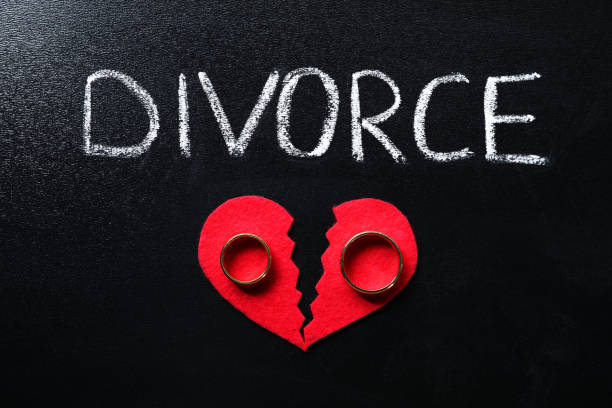
Most people searching for powerful divorce ritual ideas aren’t looking for revenge.
They’re looking for a way to mark the end of one chapter of life so they can begin another with peace, clarity, and emotional strength.
While the legal process of divorce ends a marriage on paper, it doesn’t always provide emotional or spiritual closure. That’s why many people choose to create a meaningful divorce ritual, a personal ceremony that helps acknowledge what happened, release what no longer serves them, and move forward with intention.
Some people prefer a quiet ritual they perform alone. Others gather close friends or family for support. Some incorporate candles, letters, water, music, prayer, or symbolic objects that represent the relationship they’re leaving behind.
The ritual itself doesn’t have to be elaborate.
What matters is that it reflects your own healing process.
In this guide, you’ll discover powerful divorce ritual ideas inspired by common spiritual traditions, symbolic ceremonies, and personal healing practices. We’ll also explain when a healing ritual may be enough, and when someone seeking to repair a marriage might instead consider a divorce spell or relationship-focused spiritual guidance.
Table of Contents
Why Do People Perform Divorce Rituals?
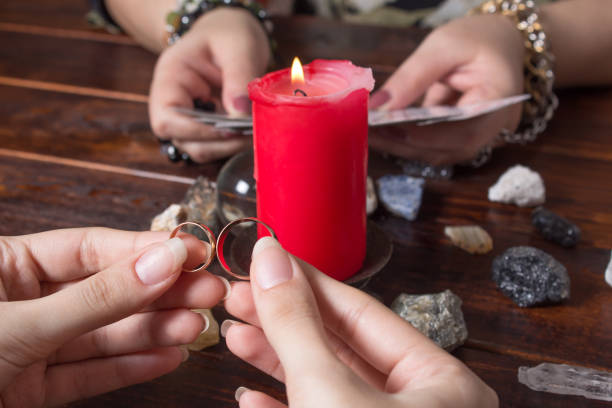
Every major life transition throughout history has been marked by ritual.
Births, weddings, graduations, funerals, and religious ceremonies all acknowledge that something significant has changed. Divorce is no different, yet many people discover that once the paperwork is complete, there is no moment that emotionally recognizes everything they’ve experienced.
That is why divorce rituals have become increasingly popular.
Rather than pretending the relationship never existed, a ritual creates space to acknowledge both the joy and the pain, while intentionally stepping into a new chapter.
People choose divorce rituals for many different reasons, including:
- Finding emotional closure after separation
- Releasing anger, resentment, or lingering attachment
- Honoring the years shared without remaining emotionally stuck
- Rebuilding confidence and personal identity
- Creating a symbolic fresh start
- Marking an important life transition with intention
A divorce ritual isn’t about denying the past.
It’s about recognizing that healing often happens when we intentionally acknowledge change instead of simply waiting for time to erase it.
Naturally, this leads to another question many people ask before creating one.
What actually makes a divorce ritual meaningful?
What Is a Divorce Ritual?
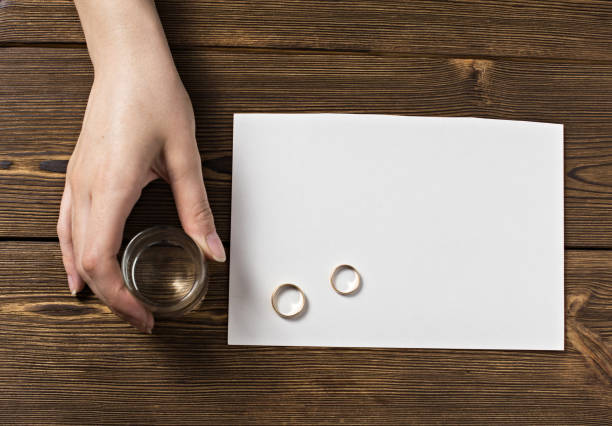
A divorce ritual is a spiritual practice that helps mark the end of a marriage and the beginning of a new chapter. While the legal process ends with signed documents, many people discover that emotional healing doesn’t happen on the same day the divorce becomes official.
That’s why divorce rituals have become increasingly popular. They create a deliberate moment to acknowledge grief, release emotional weight, and recognize personal growth before moving forward.
Unlike legal proceedings, a divorce ritual focuses on your emotional and spiritual wellbeing. It gives you an opportunity to pause, reflect, and consciously separate yourself from a chapter of life that has ended.
Some people perform these rituals alone in private, while others invite trusted friends or family to witness the transition. Others prefer a simple personal ceremony involving prayer, journaling, meditation, candles, or symbolic actions that represent letting go.
You’ll also find many traditions across different cultures that recognize major life transitions through ceremony. Marriage is celebrated with rituals around the world, so it’s not surprising that many people now believe divorce deserves its own moment of acknowledgement and closure as well.
It’s important to understand that a divorce ritual isn’t about wishing harm on an ex-partner or seeking revenge. Instead, its purpose is to help you process change, release emotional attachments, and begin rebuilding your own life.
For some people, however, emotional closure isn’t their only concern. They may feel spiritually trapped in an unhealthy relationship, believe negative energy still surrounds the marriage, or simply want stronger spiritual assistance in moving forward. In those situations, some choose to explore a Divorce Spell instead of, or alongside, a symbolic divorce ritual.
Before deciding which path feels right for you, it helps to understand the different reasons people perform divorce rituals in the first place.
Powerful Divorce Ritual Ideas for Emotional Healing
No two divorces are exactly alike, which means there isn’t one ritual that works for everyone.
Some people are grieving the loss of someone they still love. Others are recovering from betrayal, emotional abuse, or years of conflict. Some simply want to close one chapter with gratitude before embracing the next.
The most meaningful divorce rituals aren’t necessarily the most elaborate, they’re the ones that reflect your own journey.
Below are some of the most popular divorce ritual ideas shared by therapists, celebrants, spiritual communities, and people who have gone through divorce themselves. Rather than following strict rules, use these ideas as inspiration to create a ritual that genuinely supports your healing.
Write a Letter You’ll Never Send
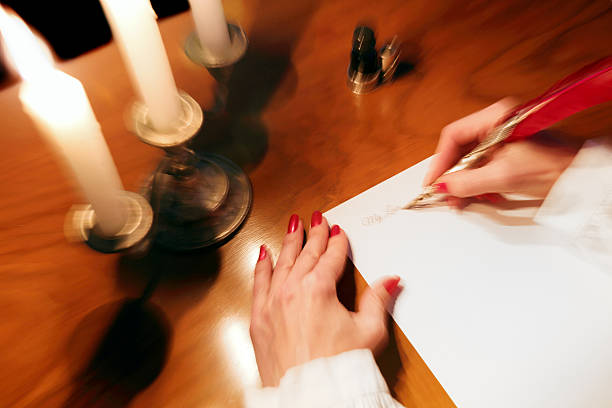
One of the simplest yet most powerful divorce ritual ideas is writing a letter to your former spouse without any intention of sending it.
Many people use this opportunity to express everything left unsaid. That might include gratitude for the good memories, sadness over what was lost, disappointment, forgiveness, or hopes for each person’s future.
The goal isn’t to reopen communication.
It’s to release emotions you’ve been carrying so they no longer occupy space in your mind.
Some people keep the letter as a reminder of how far they’ve come. Others choose to safely destroy it as part of their ceremony, symbolizing that they’re no longer carrying those emotions into the future.
Create a Fire Release Ceremony
Fire has long symbolized transformation across many spiritual and cultural traditions.
As part of a divorce ritual, people often write down the emotions, habits, memories, or fears they want to leave behind before safely burning the paper in a controlled environment.
Rather than focusing on the person they’re divorcing, many choose words like:
- Fear
- Anger
- Resentment
- Regret
- Guilt
- Self-doubt
Watching those words turn to ash becomes a symbolic reminder that healing often begins by releasing what no longer serves you.
Always conduct any fire-based ritual safely and in accordance with local fire regulations.
Use Water as a Symbol of Renewal
Where fire represents transformation, water often represents cleansing and renewal.
Some people write what they wish to release on dissolvable paper before placing it into a bowl of water. Others wash their hands while silently acknowledging that they’re letting go of the emotional weight they’ve been carrying.
If you have access to a peaceful beach, river, or lake, spending quiet time near moving water can also become part of your personal ceremony.
The symbolism isn’t about washing away memories.
It’s about allowing yourself permission to move forward without carrying the same emotional burden.
Plant Something to Represent Your New Beginning
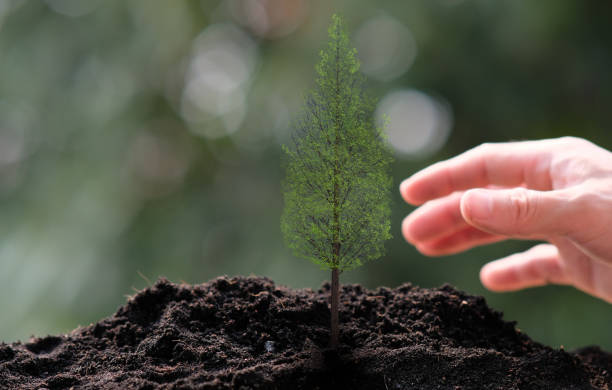
Many people choose to end their divorce ritual by planting something that will continue growing long after the ceremony ends.
It might be a tree, flowers, herbs, or another meaningful plant.
As you care for it over the weeks and months ahead, it becomes a physical reminder that healing isn’t something that happens overnight. Like the plant itself, growth happens gradually through patience, care, and consistency.
For many, this simple act transforms the focus from what ended to what is now beginning.
Repurpose or Release Meaningful Objects
Wedding rings, photographs, letters, keepsakes, and gifts often carry strong emotional significance after a divorce.
Some people choose to safely store these items away until they’re emotionally ready to decide what to do with them. Others transform them into something entirely new, such as redesigning a wedding ring into different jewelry or creating a memory box that represents a completed chapter rather than an ongoing attachment.
The purpose isn’t to erase your past.
It’s to decide consciously how that chapter fits into the life you’re creating now.
These rituals all share one thing in common: they’re deeply personal. But many people wonder whether they need to create these moments entirely on their own, or whether inviting others into the experience can make the transition even more meaningful.
Can Spiritual Rituals Help After Divorce?
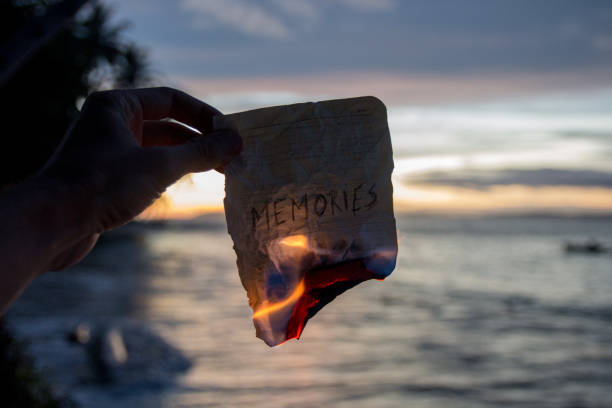
For many people, divorce isn’t just a legal ending, it’s an emotional and spiritual turning point.
While some find healing through journaling, counseling, or time with loved ones, others feel drawn to spiritual rituals that help them release the emotional weight of the relationship and reconnect with themselves.
Spiritual rituals aren’t intended to change the past or erase painful memories. Instead, many people view them as a way to create intentional space for healing, forgiveness, reflection, and personal transformation.
Depending on individual beliefs and traditions, a spiritual divorce ritual may include:
- Prayer or meditation
- Lighting candles with a clear personal intention
- Gratitude and forgiveness exercises
- Cleansing rituals using water or incense
- Symbolic acts of release, such as letting go of written memories or personal vows
- Spending quiet time in nature while reflecting on the future
These practices often help people shift their focus away from what they’ve lost and toward the life they’re beginning to build.
At the same time, it’s important to recognize that not everyone searching for divorce rituals is looking for closure.
Some people still love their spouse and aren’t emotionally ready to let the relationship end. Others believe the marriage has been affected by persistent conflict, outside interference, or spiritual obstacles they don’t fully understand.
In those situations, a ritual focused entirely on letting go may not match what they’re truly hoping for.
Someone whose goal is reconciliation may instead explore relationship-focused spiritual guidance before deciding whether closure is the right path. The intention behind the spiritual work should always reflect the outcome you’re genuinely seeking.
This naturally raises another question many people ask:
How is a divorce ritual different from a cord cutting ritual?
Divorce Ritual vs. Cord Cutting Ritual: What’s the Difference?

Because both practices involve letting go, many people assume a divorce ritual and a cord cutting ritual are the same thing.
They share similar goals, but they focus on different parts of the healing process.
A divorce ritual acknowledges the end of a marriage or long-term relationship. It marks an important life transition, giving you space to process grief, celebrate personal growth, and intentionally begin a new chapter.
A cord cutting ritual, on the other hand, focuses specifically on releasing the emotional or energetic attachment between two people. Rather than commemorating the end of the relationship itself, its purpose is to help someone stop feeling emotionally tied to a former partner.
For example:
- A divorce ritual might involve writing a farewell letter, gathering loved ones for a symbolic ceremony, or planting a tree to represent a fresh start.
- A cord cutting ritual often involves symbolic actions intended to represent releasing emotional ties, helping someone move forward without constantly reliving the past.
Many people choose to combine both approaches.
They may perform a divorce ritual to honor the relationship and acknowledge everything they experienced, followed by a cord cutting ritual to help release lingering emotional attachment.
Neither practice is about pretending the relationship never happened.
Instead, both encourage accepting the past while making space for healing and personal growth.
The right choice depends on what you’re trying to achieve.
If your focus is honoring the end of your marriage and embracing a new beginning, a divorce ritual may feel more meaningful. If you’re struggling to let go emotionally and find yourself repeatedly pulled back into old memories or patterns, a cord cutting ritual may better reflect the healing you’re seeking.
Of course, not every divorce follows the same path. Some marriages end peacefully, while others leave behind deep emotional wounds that can make moving forward much more difficult.
That’s why many people ask whether a divorce ritual can still help after a toxic or emotionally exhausting marriage.
Can a Divorce Ritual Help After a Toxic Marriage?
Not every divorce ends with mutual understanding or a peaceful goodbye.
For many people, the end of a marriage follows years of betrayal, emotional neglect, constant arguments, infidelity, manipulation, or simply growing apart. In these situations, healing can feel much more complicated than performing a symbolic ceremony.
A divorce ritual won’t erase painful memories overnight, nor should it be expected to.
Instead, many people use these rituals to acknowledge what happened without allowing those experiences to define the rest of their lives. Rather than remaining emotionally tied to the hurt, the ritual becomes a conscious decision to begin moving forward.
For example, someone leaving a toxic marriage may choose to:
- Write down the beliefs or fears they no longer want to carry.
- Create a personal ceremony marking the end of unhealthy relationship patterns.
- Spend time reflecting on the lessons learned instead of focusing only on regret.
- Make commitments to healthier boundaries in future relationships.
The emphasis isn’t on forgetting the past.
It’s on recognizing that your future doesn’t have to look like your past.
It’s also important to be honest about your intentions.
Some people searching for divorce ritual ideas discover that they don’t actually want closure, they’re still hoping to repair the relationship, save the marriage, or end a difficult situation before divorce becomes permanent.
In that case, a healing ritual designed to help you let go may not align with what you’re truly seeking. If your goal is to separate two people, remove outside interference, or explore spiritual guidance before a marriage ends, you may find our guide on Strong Divorce Spells That Actually Work more relevant to your situation. It explores a different spiritual approach and how it differs from symbolic healing rituals.
Knowing your true intention is the most important first step.
Once you’ve decided whether your goal is closure or reconciliation, the next question becomes whether you can perform a divorce ritual on your own, or whether guidance from someone experienced may help you create a more meaningful experience.
Can You Perform a Divorce Ritual Yourself?

Yes, many people choose to perform a divorce ritual on their own.
Unlike formal ceremonies led by a celebrant or spiritual practitioner, a personal ritual allows you to move at your own pace and focus on what feels most meaningful to your healing journey.
In fact, many of the divorce rituals shared by people online are simple, private moments carried out at home or in nature. Some involve nothing more than writing in a journal, lighting a candle, taking a reflective walk, or reading a personal letter aloud before safely destroying it.
The power of the ritual doesn’t come from following a strict formula.
It comes from the intention behind it.
That said, some people find comfort in inviting trusted friends or family members to witness the transition. Others work with therapists, spiritual mentors, or ceremony facilitators who can help create a structured experience that reflects their beliefs and personal circumstances.
If you decide to create your own divorce ritual, consider asking yourself a few simple questions beforehand:
- What emotions am I trying to release?
- What do I want this next chapter of my life to look like?
- Is there a symbolic action that represents moving forward for me?
- What commitments do I want to make to myself after this chapter closes?
There are no universal rules.
Your ritual can be as simple or as elaborate as you choose, provided it genuinely reflects your intentions and supports your emotional wellbeing.
For some, the ritual lasts fifteen minutes.
For others, it unfolds over several days through journaling, reflection, meditation, or meaningful conversations with loved ones.
Ultimately, the goal isn’t to perform the “perfect” ritual.
It’s to create a moment that helps you acknowledge your past while intentionally stepping toward your future.
Of course, many people also wonder whether timing matters.
Should you perform a divorce ritual before the divorce is finalized, or is it better to wait until everything is legally over?
Should You Perform a Divorce Ritual Before the Divorce Is Finalized?
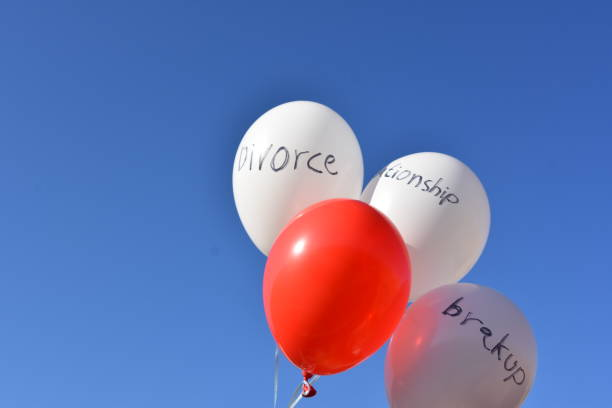
Many people wonder whether they should wait until the divorce is officially finalized before performing a divorce ritual.
There isn’t a universal rule.
The right time depends on what the ritual represents for you.
Some people wait until the legal process is complete because it marks a clear ending. Once the paperwork is finalized, they feel emotionally ready to acknowledge everything the marriage taught them and intentionally step into a new chapter.
Others choose not to wait.
For some, the emotional relationship ended long before the legal marriage did. They may perform a private ritual during separation, after moving into a new home, or after making the difficult decision that reconciliation is no longer possible.
Neither approach is right or wrong.
The most meaningful divorce rituals reflect your emotional reality rather than a specific date on the calendar.
If you’re still hoping the relationship can be repaired, a ritual centered on letting go may feel premature. On the other hand, if you’ve already accepted that the marriage has ended, waiting months, or even years, for legal proceedings to conclude may delay an important part of your healing journey.
Many people choose significant moments such as:
- The day they moved into a new home.
- The day the divorce became official.
- A birthday or personal milestone.
- The beginning of a new year.
- A meaningful spiritual or religious date.
Others don’t choose a symbolic date at all.
Instead, they simply wait until they feel emotionally ready to reflect on the relationship without becoming overwhelmed by grief or anger.
Ultimately, a divorce ritual isn’t about the court’s timeline.
It’s about recognizing the moment you’re ready to release the past and begin investing your energy in your future.
Divorce Rituals vs. Divorce Spells: What’s the Difference?
Although people sometimes use the terms interchangeably, a divorce ritual and a divorce spell are not necessarily the same thing.
A divorce ritual is generally a symbolic or personal practice designed to help someone process the end of a marriage. Its focus is often emotional healing, closure, self-reflection, and embracing a new beginning.
A divorce spell, on the other hand, is sought by people who believe spiritual work can influence the circumstances surrounding a relationship. Depending on personal beliefs and traditions, divorce spells may be intended to encourage separation between two people, remove unhealthy attachments, resolve ongoing conflict, or help create space for both individuals to move forward.
The difference lies in the intention.
If your goal is to acknowledge that a marriage has already ended and begin healing emotionally, a divorce ritual may be the most appropriate approach.
If you’re specifically looking for spiritual spellwork related to ending a marriage or difficult relationship, you’ll find a more detailed explanation in our guide to Strong Divorce Spells That Actually Work, which explores how divorce spellwork differs from symbolic healing rituals and when each may be appropriate.
Many people actually combine both approaches.
They may choose spiritual guidance while also creating personal rituals such as journaling, letter writing, meditation, or spending time in nature to help process the emotional transition.
Regardless of which path someone chooses, the most important step is ensuring that it aligns with their beliefs, their circumstances, and the future they genuinely want to create.
The journey after divorce looks different for everyone.
That’s why one final question remains:
How do you know when a divorce ritual has truly helped you move forward?
Do Divorce Rituals Actually Help?
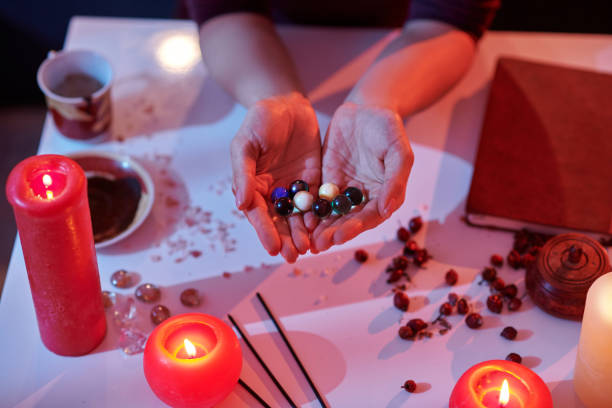
A divorce ritual doesn’t change the legal outcome of a marriage, nor does it instantly remove grief or painful memories.
What it can do is create an intentional moment to acknowledge that one chapter of your life has ended and another is beginning.
That’s one reason divorce rituals have become increasingly popular. Rather than treating divorce as nothing more than paperwork, many people use symbolic actions to process emotions that can otherwise remain unresolved for months or even years.
Common elements such as writing a goodbye letter, speaking words of forgiveness, reflecting on lessons learned, or creating personal commitments for the future aren’t about changing the past.
They’re about helping you move forward with greater clarity.
Even if your ritual is entirely personal, practices like expressive writing have been studied for their potential emotional benefits. The American Psychological Association (APA) explains that writing about emotionally significant experiences may help some people process stressful events and improve emotional well-being. That may be one reason why journaling, letter writing, and personal reflection appear so often in divorce rituals and other healing practices.
Of course, everyone processes loss differently.
For one person, lighting a candle and reading a farewell letter may provide a deep sense of closure. For someone else, healing may come through therapy, conversations with trusted friends, time in nature, or simply allowing themselves to grieve without judgment.
The ritual itself isn’t the goal.
The goal is creating space to acknowledge what you’ve experienced, honor your growth, and consciously choose how you want to move forward.
For many people, that naturally leads to another question:
What are some meaningful divorce ritual ideas that you can actually adapt to your own situation?
FAQs
Can a divorce ritual help you move on after a breakup or divorce?
Many people find that a divorce ritual provides an opportunity to acknowledge the end of a relationship and intentionally begin a new chapter. While a ritual cannot erase painful memories or guarantee emotional healing, symbolic practices such as reflection, journaling, or personal ceremonies may help some individuals process major life transitions.
What is the difference between a divorce ritual and a divorce ceremony?
The terms are often used interchangeably.
A divorce ritual usually refers to any symbolic personal practice intended to mark the end of a marriage, while a divorce ceremony often involves family members, close friends, or an officiant gathering together to witness that transition.
Both share the same purpose, creating closure and recognizing a significant life change.
Can you perform a divorce ritual without your former spouse?
Yes.
Most divorce rituals are performed individually.
Many people choose to create a private moment for reflection without involving their former spouse. Others invite trusted friends or family members to offer emotional support throughout the experience.
Are divorce rituals associated with a particular religion?
Not necessarily.
Some people create rituals inspired by their religious or spiritual beliefs, while others prefer completely secular ceremonies focused on personal growth and emotional healing.
A meaningful divorce ritual should reflect your own values rather than follow a specific tradition.
What should you avoid during a divorce ritual?
Try to avoid making permanent decisions while emotions are overwhelming.
The purpose of a divorce ritual is to create clarity and healthy closure, not to encourage impulsive actions driven by anger or resentment. Many people find it helpful to focus on healing, gratitude for lessons learned, and the future they hope to build.
What comes after a divorce ritual?
For many people, the ritual is only the beginning.
Healing often continues through self-care, supportive relationships, counseling, journaling, personal goals, or simply allowing time for emotions to settle. A divorce ritual can mark the transition, but building a fulfilling life afterward is an ongoing journey.
Conclusion
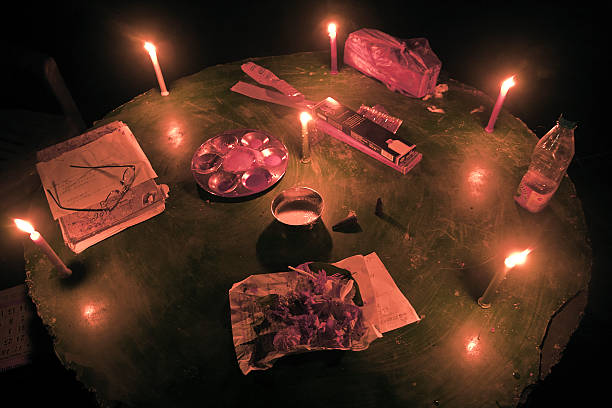
Finding the right powerful divorce ritual ideas isn’t about following someone else’s ceremony, it’s about creating a meaningful experience that reflects your own journey.
Whether your divorce ritual ideas include writing a farewell letter, spending time in nature, holding a private ceremony, or celebrating a fresh start with the people who supported you, the purpose remains the same: to acknowledge what has ended while making space for what comes next.
There is no single ritual that’s right for everyone.
The most meaningful divorce ritual is one that aligns with your beliefs, your circumstances, and the future you want to build. For some people, that means focusing entirely on healing and emotional closure. Others may seek additional spiritual guidance to better understand their relationship situation before deciding on the next step.
If you’re looking for compassionate spiritual guidance, Love Spell Hub offers confidential support for people navigating difficult relationship challenges. Whether you’re seeking clarity after divorce, exploring spiritual cleansing, or wondering whether spellwork is appropriate for your circumstances, we’re here to help you make an informed decision.
Your marriage may be one chapter of your story.
The next chapter is yours to write, and the right divorce ritual ideas can become the first meaningful step toward that new beginning.
- Spell Caster in the USA: Finding Genuine, Experienced Spell Work - August 23, 2026
- Love Spells That Work: What Works for Different Relationship Situations - August 20, 2026
- Best Love Spells in Pretoria - August 17, 2026