
During consultations, spiritual gatherings, and cleansing ceremonies, one question finds its way into the conversation again and again.
“Batha… what’s the best time to cast a love spell?”
The question sounds simple until someone starts searching for the answer.
One guide recommends Friday because of its traditional association with Venus. Another insists the waxing moon matters more. Then someone else says to wait for the full moon, midnight, sunrise, sunset, or even a particular planetary hour that depends on where you live.
Before long, the ritual isn’t the confusing part anymore.
The calendar is.
I remember one woman who had already postponed the same ritual several times. The first Friday arrived before she had gathered everything she wanted. The following week, she decided the moon phase wasn’t right. Then she found another guide claiming the hour of Venus mattered more than either of them.
Eventually she asked me,
“Batha… if a better time is always coming, when am I actually supposed to begin?”
Perhaps that’s the same question you’re asking. When every guide recommends a different moment, it becomes difficult to know which recommendation deserves your attention. Before deciding whether Friday, the waxing moon, or a planetary hour is the right choice, there is one more important question to answer first.
Does timing actually matter?
Table of Contents
Does Timing Really Matter When Casting a Love Spell?
Timing can matter in some love spell traditions, but it is rarely the only factor that determines when you should begin. The method you are following, the purpose of the ritual, and whether you can complete it with clear attention usually matter just as much as the date, moon phase, or hour on the clock.
Timing anxiety often begins with a ritual that initially feels manageable. Then you discover that Friday may matter, the full moon falls on Sunday, and another guide recommends calculating the hour of Venus. A Friday passes because you feel unprepared. The waxing moon arrives during a stressful week. Midnight sounds powerful, but you are exhausted and unable to focus. Before long, the ritual becomes less about love and more about avoiding a mistake.
A clear guideline can make a beginner feel supported, but several competing guidelines can make the same person feel incapable of beginning without perfect conditions. Instead of using timing to support the ritual, they begin treating the calendar like a test they are frightened of failing.
The calendar should support your ritual, not become another obstacle between you and it.
This does not mean traditional timing should be ignored. Some methods deliberately use particular days, lunar phases, or planetary associations because those correspondences form part of the ritual’s structure. If the instructions you have chosen clearly depend on a certain time, following them preserves the method you intended to perform.
The difficulty begins when advice from several different traditions is combined into one impossible standard. Friday may matter in one practice, the full moon may carry greater importance in another, and someone else may work whenever the situation feels urgent enough to require attention. None of those approaches automatically cancels the others because they are not always answering the same question.
Timing becomes useful when you understand what it is meant to contribute. Until then, Friday, the moon, and planetary hours can look like competing rules when they are really different ways traditions have organised intention.
That distinction changes the entire conversation. The next step is no longer searching for one universally perfect moment, but understanding why particular days became associated with different kinds of love work in the first place.
Why Are Certain Days Associated with Love Spells?
There isn’t one universally accepted day to cast a love spell because different traditions developed their own systems for choosing meaningful moments. However, if you’ve searched for the best time to cast a love spell, you’ve probably noticed the same recommendations appearing repeatedly: Friday, Monday, Thursday, and sometimes Tuesday. Those associations didn’t appear by accident. They reflect centuries of symbolism that many spiritual traditions continue to reference today.
Traditionally, Friday is most closely associated with Venus, the planet linked with love, beauty, affection, and attraction. Because of that connection, Friday is commonly chosen for rituals centred on romance, emotional openness, reconciliation, or welcoming a new relationship. If your intention is to invite love into your life or strengthen an existing bond, it’s easy to see why Friday appears in so many guides.
This is why Saturday can suddenly feel “wrong” to a beginner even when the chosen ritual does not forbid it. Once Friday is described as the day of Venus, missing it can feel like missing the entire opportunity rather than simply choosing another meaningful time. Many beginners are not really searching for the perfect day. They are searching for permission to begin.
Monday is often connected with the Moon, making it a popular choice for rituals involving emotions, intuition, reflection, and emotional healing. Rather than focusing on attraction itself, many people associate Monday with understanding feelings, rebuilding emotional closeness, or gaining clarity before making relationship decisions.
Thursday is traditionally linked with growth, stability, and expansion. Some practitioners choose it when their focus is commitment, strengthening an existing relationship, or building something intended to last over time rather than simply creating initial attraction.
Tuesday appears less frequently in beginner guides but is still mentioned in some traditions because of its association with passion, courage, determination, and taking decisive action. Depending on the method, it may be chosen for rituals intended to rekindle desire or encourage momentum where a relationship has become stagnant.
One thing I’ve noticed over the years is that people often spend more time searching for the perfect day than preparing for the ritual itself. Traditional correspondences can provide helpful structure, but they were never meant to become absolute rules that prevent you from beginning. The symbolism can support a ritual, but postponing meaningful action indefinitely rarely helps anyone.
The day you choose can support your intention, but it should never replace it.
If weekdays provide one layer of traditional timing, the moon introduces another. That naturally leads to a different question: does the phase of the moon matter even more than the day of the week?
Do Moon Phases Matter When Casting a Love Spell?
Yes, many love spell traditions consider the moon phase an important part of ritual timing, but the phase is usually chosen because it reflects the intention of the work rather than because one phase is universally more powerful than another.
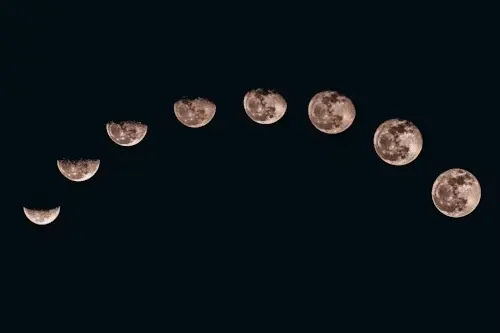
Many beginners wait for the next full moon because they’ve been told it carries the strongest energy. What they’re usually hoping to hear is that waiting a few more days will guarantee a better outcome, but moon phases are traditionally used to match the direction of the ritual rather than promise its success.
The moon isn’t traditionally viewed as making every ritual stronger. Instead, it’s viewed as helping the purpose of the ritual match the symbolism of the moment. That distinction explains why different moon phases are recommended for different kinds of relationship work.
The waxing moon, which gradually grows from the new moon towards the full moon, is traditionally associated with attraction, growth, and building momentum. If your intention is to welcome new love, strengthen an existing relationship, encourage communication, or deepen an emotional connection, this is the phase most commonly recommended across many traditions. It aligns naturally with the idea of inviting something into your life rather than letting it go.
The full moon represents completion, visibility, and emotional intensity. Some people deliberately choose it because it feels like the point where intention reaches its fullest expression. Others simply appreciate the quiet atmosphere it creates for reflection. Rather than replacing the waxing moon, the full moon is often viewed as the natural culmination of work that has already begun.
The waning moon carries a different symbolism altogether. As the moon gradually decreases in visibility, many traditions associate it with releasing what no longer serves you. That may include emotional baggage, resentment after a breakup, unhealthy attachment, or lingering feelings that prevent someone from moving forward. For that reason, it appears less often in attraction-focused love spell guides and more frequently in rituals centred on closure or letting go.
One way to think about moon phases is to imagine currents in a river. Swimming with the current may make the journey feel easier, but knowing where you’re trying to go matters far more than waiting endlessly for perfect conditions. That’s why moon phases are best understood as guidance rather than something that prevents you from taking meaningful action.
If you want to identify the current phase before planning your ritual, The Old Farmer’s Almanac Moon Phase Calendar provides a practical breakdown of the waxing, full, and waning stages. The calendar can tell you which phase the moon is in, but deciding whether that phase suits your ritual still depends on the purpose of the work you’re performing.
If you’re planning a complete ritual, combining the right timing with the right method often makes far more sense than focusing on either one in isolation. Our How to Cast a Love Spell at Home guide explains how preparation, intention, and timing fit together. If your focus is emotional renewal, confidence, or becoming more open to healthier relationships, our Self-Love Spell guide explores work directed inward rather than toward changing a particular relationship.
Moon phases help explain when within the month many people choose to perform a ritual. Once you’ve chosen the day, however, another question naturally follows: does the hour itself matter?
Do Planetary Hours and the Time of Day Matter?
They can, but only within traditions that deliberately use planetary timing. For most beginners, choosing a quiet hour when you can focus without interruption is usually far more important than trying to calculate the perfect minute on the clock.
Planetary timing can become surprisingly overwhelming. You may finally settle on a Friday during the waxing moon, only to discover that the hour of Venus ended thirty minutes earlier. Nothing about the ritual has changed, yet your confidence has, because every new layer of timing can begin to feel like another opportunity to get something wrong instead of another way to personalise the ritual.
Planetary hours come from an older system that assigns each hour of the day to a particular planetary influence. In traditions that work with these correspondences, the hour of Venus is commonly associated with affection, harmony, attraction, beauty, and relationships, while other planetary hours may be chosen for completely different intentions.
For someone already following that tradition, planetary hours become another meaningful layer of symbolism. For someone performing their first love spell, however, planetary hours are rarely the place to begin.
The calmest rituals rarely belong to the people chasing the mathematically perfect hour. They usually belong to the people who choose a time when they won’t be interrupted by work, phone calls, family responsibilities, or everyday distractions. That uninterrupted focus often contributes more to the experience than spending hours searching for the ideal timetable.
A peaceful mind is easier to work with than a perfect clock.
This is one reason many people naturally perform rituals later in the evening. The house becomes quieter, distractions begin to disappear, and it becomes easier to concentrate on a single intention. Others prefer sunrise because it symbolises a new beginning, while some simply choose the first quiet moment available. None of these choices automatically makes a ritual more meaningful than another unless they genuinely support the method being followed.
If you’re interested in incorporating traditional timing into your practice, planetary hours can become another thoughtful layer rather than another source of anxiety. They should support your preparation, not replace it. If you’re planning a ritual that traditionally uses candles, our Candle Love Spell guide explains how timing, symbolism, colour, and intention fit within that particular method without treating any one correspondence as a guarantee of success.
By this point, you’ve probably noticed a pattern: the day matters for one reason, the moon serves another purpose, and planetary hours add another layer still. The real challenge begins when those systems appear to recommend different moments.
Which Timing Matters Most When They Don’t Agree?
If different timing traditions recommend different days or hours, the best approach is to follow the timing that belongs to the method you’ve chosen instead of trying to combine every recommendation into one ritual.
One of the most common questions I receive sounds something like this:
“Batha, Friday is best for Venus… but the full moon is on Sunday… and the hour of Venus falls on Thursday evening where I live. Which one do I follow?”
By that stage, the ritual has quietly turned into a scheduling puzzle.
The problem isn’t that any of those recommendations are wrong. It’s that they often come from different traditions that were never designed to be merged into a single checklist.
A candle ritual may recommend Friday because of its traditional association with Venus. Another method may focus almost entirely on the waxing moon because its symbolism centres on growth. Someone else may work primarily with planetary hours, while another practitioner places much greater importance on the intention behind the ritual than the calendar itself.
Each approach makes sense within its own tradition, and confusion usually begins when someone tries to follow every tradition at the same time.
During one consultation, someone had highlighted four different calendars on their phone. One marked the waxing moon. Another listed planetary hours. A third tracked Fridays. The last showed astrological events they had been told not to miss. They laughed and said, “I think I spend more time organising dates than actually preparing for the ritual.”
That comment stayed with me because it perfectly explained why timing becomes overwhelming. Preparation had quietly become procrastination.
One principle has guided me for years:
Choose the method first. Then follow the timing that belongs to that method.
Once you’ve done that, every other recommendation becomes optional context instead of another rule you feel pressured to obey.
Different traditions aren’t necessarily disagreeing with one another. They’re often answering different questions, and understanding that distinction removes much of the anxiety surrounding spell timing.
It also leads to another practical question, because not every situation allows you to wait for an ideal Friday, a waxing moon, or the perfect planetary hour.
What happens when the timing isn’t considered “perfect”?
Do You Have to Wait for the “Perfect” Time?
No. While many traditions recommend certain days, moon phases, or planetary hours, there are situations where beginning the ritual at the right moment for your circumstances is more important than waiting for an ideal date on the calendar.
One of the most common misconceptions is that missing the “perfect” Friday or waxing moon means waiting another week, another month, or sometimes even longer before beginning.
The consequences of that delay depend on the situation, because waiting may change nothing for one person while causing another to lose the clarity and readiness they already had.
Imagine reaching a point where you understand the reconciliation method, have reflected carefully on your relationship, and feel emotionally prepared to begin, only to discover that the waxing moon ended the previous evening. Waiting another month may respect one traditional timing preference, but it won’t automatically make you clearer, calmer, or more prepared than you are today.
Timing should support your readiness, not replace it.
If the method you’ve chosen specifically calls for a particular moon phase or weekday, it makes sense to respect that structure. But if you’re postponing a ritual simply because you’re searching for an even better moment, it’s worth asking whether you’re improving your preparation or simply postponing your decision.
The perfect date can become a comforting excuse to avoid beginning. A well-prepared ritual performed with clarity will usually teach you far more than a perfectly timed ritual that never leaves the planning stage.
That doesn’t mean traditional timing has no value. Fridays, waxing moons, planetary hours, and seasonal symbolism all have meaningful places within different traditions. The key is understanding whether they’re essential parts of the method you’re following or simply ways of enriching an already well-prepared ritual.
Preparation gives timing its purpose. Timing doesn’t replace preparation.
Once you understand that, the conversation changes again. Instead of asking when everyone else casts a love spell, you can begin asking which timing best suits the specific kind of relationship work you’re trying to do.
That leaves one final piece of the timing puzzle: the best moment for one ritual may not suit another, because different forms of relationship work are moving in different directions.
Does the Best Time Depend on the Type of Love Spell?
Yes. The best time to cast a love spell often depends on the purpose of the ritual. Timing that suits attracting new love may not be the same timing traditionally chosen for reconciliation, commitment, emotional healing, or letting go.
One of the biggest reasons people become confused about spell timing is that they assume every love spell is trying to achieve the same outcome. It doesn’t.
Someone hoping to meet a new partner is beginning a relationship. Someone rebuilding communication is trying to restore one. Someone working through heartbreak is attempting to release what has already happened. Although each falls under the broad idea of love magic, they don’t always follow the same symbolism or timing.
That’s why choosing the right type of love spell always comes before choosing the perfect day to perform it.
Traditionally, attraction rituals are often associated with Fridays, waxing moons, and symbolism connected with growth and welcoming new opportunities. Reconciliation work may use periods associated with rebuilding trust and restoring connection, while emotional release and closure are more commonly linked with traditions that focus on letting go rather than drawing something closer.
The purpose shapes the timing, not the other way around.
People usually become much more confident once they stop searching for one universal calendar that supposedly applies to every situation. Instead, they begin by understanding their relationship, choose a method that genuinely fits it, and then follow the timing traditionally connected with that particular kind of work.
If you’re still identifying what kind of relationship work best fits your circumstances, our Love Spells pillar explains the broader options before timing even enters the decision. If your goal is welcoming a new relationship, our Attraction Spells guide explores methods traditionally associated with inviting new romantic opportunities. If you’re hoping to rebuild a relationship after distance or separation, our Reconciliation Spells guide explains approaches centred on restoring communication and emotional connection before deciding when to perform them.
Weekdays, lunar phases, planetary hours, and personal readiness each contribute something different. Once you’ve chosen the right type of ritual, the remaining task is bringing those elements together into one practical answer.
So, What’s the Best Time to Cast a Love Spell?
The best time to cast a love spell is when the timing traditionally supports the method you’ve chosen and you’re genuinely prepared to perform it with a clear purpose. For many attraction rituals, that often means Friday during a waxing moon, but the most appropriate timing always depends on the goal of the ritual rather than a single universal rule.
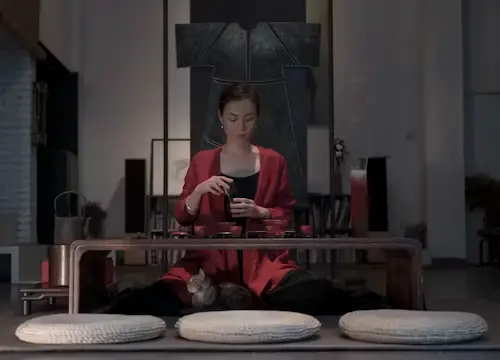
When people ask, “What’s the best time to cast a love spell?” they’re usually hoping for one simple answer. They want someone to say, “Friday at this exact hour,” or “Only perform it during the full moon,” because certainty feels reassuring when you’re trying something unfamiliar.
The people who feel most confident by the end of the process usually aren’t the ones who memorise the longest list of timing correspondences. They’re the ones who understand why a particular time has been recommended in the first place.
If you’re performing an attraction ritual, a Friday during the waxing moon may feel like a natural choice because both traditions point towards welcoming and strengthening new connections. If you’re working on emotional healing, another approach may fit the symbolism far better. The calendar doesn’t choose the ritual. The ritual chooses the calendar.
That simple shift changes everything. Instead of asking whether tonight is objectively the “best” night, you begin asking whether tonight supports the intention you’ve already decided to pursue.
People become far more relaxed once they stop trying to satisfy every recommendation they’ve read online. Rather than worrying about Fridays, moon phases, planetary hours, eclipses, and astrology all at once, they begin with one clear objective, choose one suitable method, and allow the traditional timing connected with that method to guide the rest.
That’s why the question is rarely answered by giving everyone the same date. Once your goal becomes clear, the timing usually becomes much clearer as well.
If you understand your goal but are still comparing the practical methods available, our Love Spell Methods & Rituals hub brings together candle work, sweetening practices, written intentions, chants, botanical methods, and other traditional approaches before you choose the timing connected with one of them.
By this point, you’ve explored the calendar, the moon, planetary hours, preparation, and the purpose behind each tradition. All that’s left is bringing those ideas together into one simple conclusion.
Conclusion: Timing Supports the Ritual. It Doesn’t Replace It.
The best time to cast a love spell isn’t a single day that applies to every person or every situation. Traditional practices often recommend Fridays for attraction, waxing moons for growth, planetary hours for additional symbolism, and quiet moments that allow you to focus without interruption. Those recommendations have remained popular because each contributes something different to the ritual rather than competing with one another.
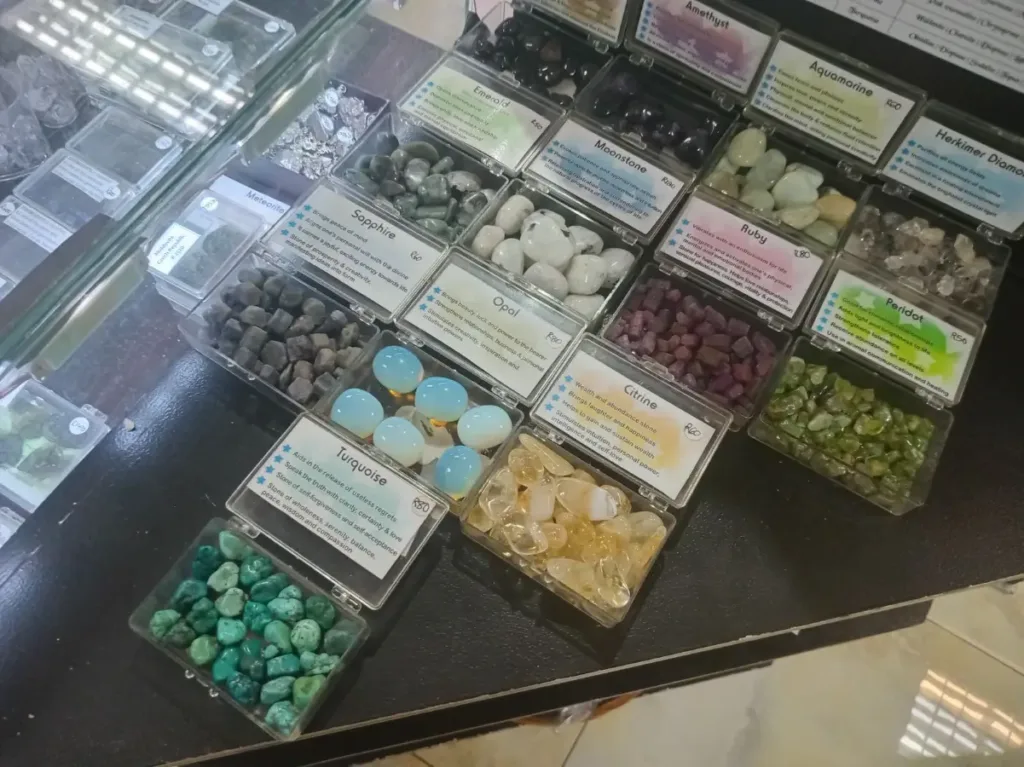
Searching for the right time can quietly become a way of avoiding the first step. People rarely struggle because there are too few recommendations; they struggle because there are too many. The more calendars they compare, the easier it becomes to forget that timing was always meant to support the ritual rather than stop it from happening.
Once you know what you’re trying to achieve, the calendar becomes much easier to read because you’re no longer asking every tradition to make the decision for you. Instead, you’re choosing the timing that naturally belongs to the method and purpose you’ve already decided upon.
Good timing supports a clear intention. It never replaces one.
Because in the end, the best time to cast a love spell isn’t simply the date marked on a calendar.
It’s the moment your purpose, your preparation, and your chosen method finally come together.

- Spell Caster in the USA: Finding Genuine, Experienced Spell Work - August 23, 2026
- Love Spells That Work: What Works for Different Relationship Situations - August 20, 2026
- Best Love Spells in Pretoria - August 17, 2026