If you’ve been searching for love spells witchcraft, you’ve probably noticed that almost every guide jumps straight into recipes, candle colours, or lists of herbs.
That’s usually not what people are trying to understand.
Most want to know how love spells fit into witchcraft, why witches perform relationship rituals, and whether they’re intended to attract love, strengthen an existing relationship, encourage reconciliation, or influence a specific person.
Across modern witchcraft communities, you’ll also find very different opinions about ethics, free will, and what love magic can realistically achieve. Some practitioners focus entirely on self-love and attraction, while others discuss reconciliation, commitment, or symbolic rituals intended to nurture an existing relationship.
This guide explains how love spells are approached within witchcraft traditions, the different types of relationship-focused rituals people practise, and the questions that come up most often before someone performs love magic.
If you’re completely new to the subject, our guide to Love Spells provides the broader foundation before exploring the witchcraft approach.
Table of Contents
What Are Love Spells In Witchcraft?
Love spells in witchcraft are relationship-focused rituals that combine intention with symbolic actions to attract love, strengthen emotional connections, encourage reconciliation, or support personal transformation.

Unlike the popular image created by films and television, witchcraft love spells aren’t usually about instantly making someone fall in love overnight.
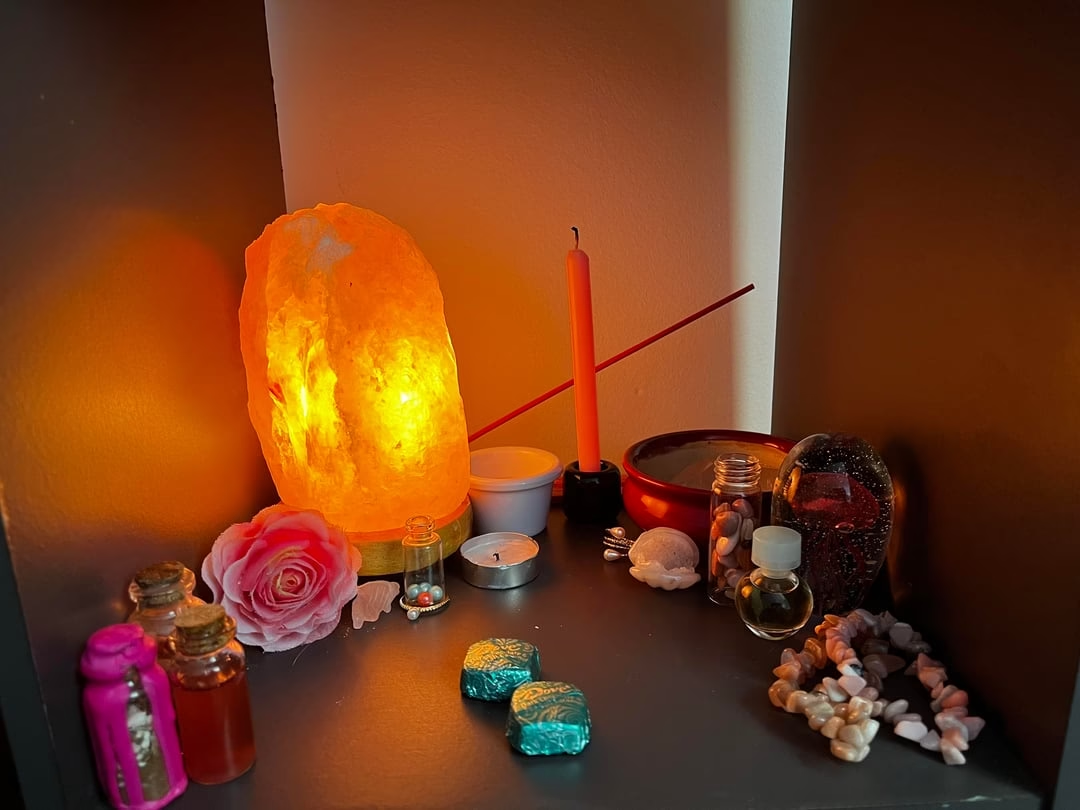
Instead, many practitioners describe them as structured rituals built around symbolism. A candle might represent passion or healing. Rose petals may symbolise affection. A written petition can express a clear intention, while moon phases, herbs, crystals, or spoken words help create a focused ritual.
Although methods differ between traditions, the purpose remains remarkably consistent: directing intention toward a romantic goal in a meaningful, symbolic way.
Many people researching love spells witchcraft are also trying to understand how these rituals differ from general love magic, which we’ll look at next.
What Makes a Love Spell Witchcraft?
A love spell becomes part of witchcraft when it combines romantic intention with symbolic ritual, spiritual correspondences, and a structured magical practice.
The spell itself isn’t what makes it “witchcraft.”
It’s the wider tradition behind it.
Within many witchcraft practices, rituals are intentionally built around symbolic tools such as candles, herbs, moon phases, petitions, crystals, or devotional work. Each element represents an idea, helping the practitioner focus their intention throughout the ritual.
That’s why two people can perform love spells with completely different methods while both describing their practice as witchcraft.
One may work only with candles.
Another may prefer herbs and honey jars.
Someone else may not use physical tools at all, choosing meditation, prayer, or spoken intention instead.
The common thread isn’t the ingredients.
It’s the ritual, symbolism, and purpose behind them.
Love Spells, Love Magic, and Witchcraft: What Is the Difference?
These three terms are closely related, but they don’t mean exactly the same thing.
Think of them as different levels of the same subject.
Love magic is the broadest category.
It includes spiritual practices from many traditions that focus on attraction, relationships, emotional healing, reconciliation, or commitment.
Love spells are individual rituals performed for a particular romantic intention.
A love spell might be designed to encourage communication, strengthen an existing relationship, attract a compatible partner, or symbolically mark a new beginning.
Love spells in witchcraft are simply one approach to practising love magic.
They draw on the symbolism, correspondences, and ritual structure commonly found in witchcraft traditions.
If you’d like to explore the wider subject beyond witchcraft, continue with our guide to Love Magic, where we explain how different spiritual traditions approach relationship-focused rituals.
How Is a Witchcraft Love Spell Traditionally Structured?
Although no two practitioners work exactly the same way, many witchcraft love rituals follow a surprisingly similar structure.
Rather than collecting as many ingredients as possible, most begin with a clear intention.
From there, symbolic items are selected to support that intention, the ritual is performed in a focused setting, and the practitioner concludes by allowing the process to unfold without constantly trying to force an outcome.
Reading discussions across modern witchcraft communities reveals another recurring theme.
The people who describe positive experiences rarely credit one herb or one crystal.
Instead, they repeatedly mention preparation, consistency, emotional honesty, and patience.
The ritual becomes a way of focusing the mind rather than chasing instant results.
Common Tools and Correspondences
While every tradition has its own practices, certain symbolic tools appear again and again in discussions about love spells witchcraft.
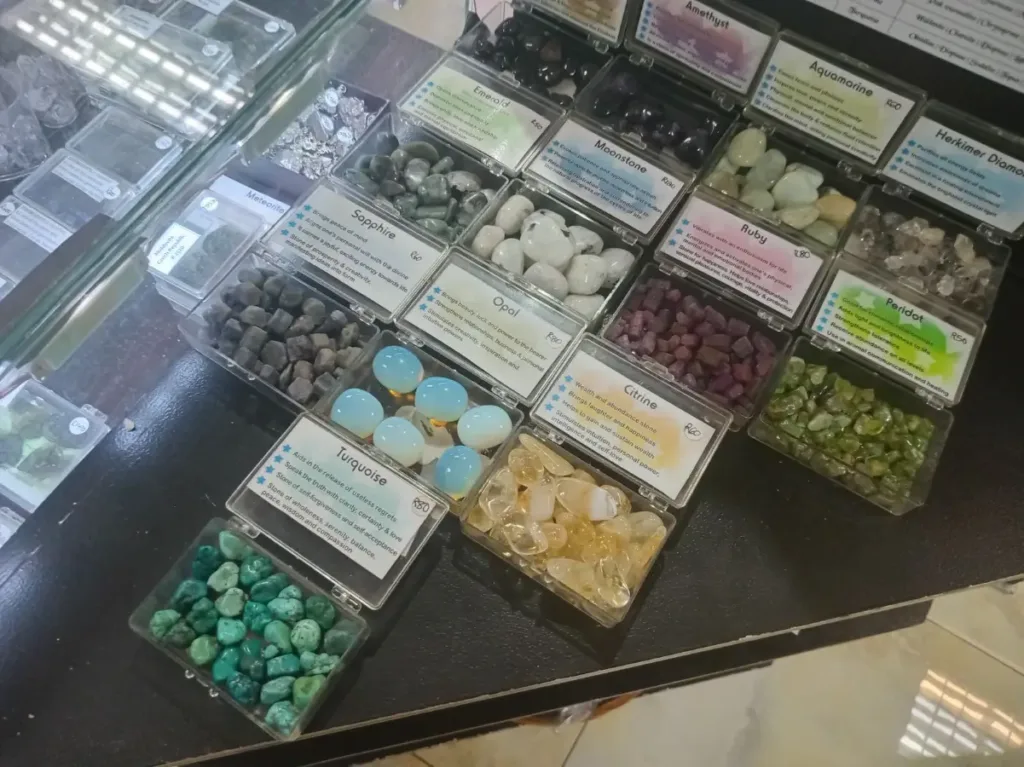
These aren’t believed to possess identical meanings in every path, but they’re widely associated with particular romantic intentions.
Candles and Colours
Candles are one of the most recognisable parts of love witchcraft.
Different colours are traditionally associated with different intentions.
Pink candles are commonly linked with affection, compassion, gentle romance, and self-love.
Red candles often symbolise passion, attraction, desire, and emotional intensity.
White candles are frequently chosen for clarity, healing, or when a practitioner wishes to keep the ritual simple.
The candle itself isn’t considered the spell.
Instead, it acts as a visual focal point for the intention behind the ritual.
Herbs, Flowers, Oils, and Crystals
Natural correspondences appear throughout many witchcraft traditions.
Among the most frequently discussed are:
- rose petals for affection and romance
- lavender for peace and emotional harmony
- cinnamon for attraction and energy
- rosemary for remembrance and commitment
- rose quartz for compassion and emotional openness
Spend time reading successful attraction rituals shared by experienced practitioners and you’ll quickly notice that these ingredients appear repeatedly, not because they’re viewed as magical shortcuts, but because of the symbolism they carry within the ritual.
Petitions, Symbols, Taglocks, and Personal Objects
Many witchcraft traditions also incorporate symbolic representations of people or intentions.
A written petition may clearly describe the relationship someone hopes to attract.
Some practitioners create sigils that represent a personal goal.
Others use photographs, handwritten names, jewellery, or meaningful keepsakes.
Within folk magic these personal connections are often referred to as taglocks, objects believed to symbolically connect the ritual to a particular person or intention.
Exactly how, or whether, taglocks are used varies greatly between traditions, and many practitioners choose not to use them at all.
Honey Jars, Knots, Baths, and Other Ritual Forms
Not every love spell looks the same.
Some of the most commonly discussed forms include:
- honey jar rituals associated with sweetness and reconciliation
- knot magic representing commitment or intention
- ritual baths focused on self-love and emotional renewal
- candle workings centred on attraction or communication
- written petitions burned, buried, or safely stored after the ritual
Across modern witchcraft communities, honey jars and attraction work are discussed far more often than the dramatic “make someone obsessed” rituals commonly portrayed online.
That reflects how many modern practitioners approach love witchcraft today.
Does Timing Matter in Witchcraft Love Spells?
For many practitioners, timing forms part of the symbolism rather than a strict rule.
Certain moon phases, planetary associations, or days of the week are traditionally connected with different intentions.
For example, waxing moons are commonly associated with attracting or building something new, while Fridays are often linked with romance because of their historical association with Venus.
At the same time, many experienced practitioners argue that timing supports a ritual rather than determines its success.
You’ll frequently find comments saying that clear intention, consistency, and meaningful action matter far more than waiting for the “perfect” lunar calendar.
That balanced view reflects much of today’s witchcraft community.
What Are the Main Forms of Love Witchcraft?
Love witchcraft isn’t a single ritual or practice. It includes a wide range of relationship-focused workings, each designed for a different purpose.

Some rituals focus on attracting a compatible partner.
Others are intended to strengthen an existing relationship, encourage communication after conflict, support reconciliation, or help someone move forward after heartbreak.
Understanding these differences is important because the goal of the ritual usually determines the type of spellwork people choose.
General Attraction and Self-Love
General attraction work focuses on inviting love into your life without directing the ritual toward one specific person.
Rather than asking for a particular individual, the intention is usually to attract someone who shares the qualities you’re looking for in a healthy relationship.
This is one of the most widely accepted approaches discussed within modern witchcraft because it places the emphasis on opportunity rather than control.
Self-love rituals often sit alongside attraction work.
Instead of changing someone else’s emotions, they encourage confidence, emotional healing, personal growth, and openness to new relationships.
Interestingly, many of the most positive experiences shared within spiritual communities begin with self-love rather than romance. People often describe becoming more confident, changing long-standing relationship patterns, or meeting someone naturally after focusing on themselves first.
If attracting new relationships is your goal, continue with our guide to Attraction Spells, where we explore this approach in greater detail.
Sweetening and Relationship-Strengthening Work
Not every love spell is about finding someone new.
Sweetening work is commonly associated with improving the emotional atmosphere within an existing relationship.
Honey jars are one of the best-known examples.
Rather than attempting to change someone’s personality, these rituals are traditionally intended to encourage kindness, warmth, patience, forgiveness, and healthier communication between two people.
Relationship-strengthening rituals may also be performed by couples who already share a healthy relationship and simply want to reinforce trust, commitment, and emotional closeness.
Across spiritual communities, these types of workings are generally viewed very differently from spells intended to influence an unwilling person.
Reconciliation and Communication Work
Relationship difficulties don’t always mean a relationship has ended.
Sometimes the problem is distance.
Sometimes it’s silence after an argument.
Sometimes both people still care about each other but neither knows how to take the first step.
Reconciliation work focuses on restoring communication and creating opportunities for emotional healing after conflict or separation.
Rather than promising that every relationship can be repaired, these rituals are typically approached as symbolic practices that support forgiveness, honest conversation, and mutual understanding.
If you’re specifically trying to rebuild contact after a breakup or period of silence, our guides to Reconciliation Spells and Communication Spells explore these situations in much more detail.
Targeted Love Spells and Binding Work
Targeted love spells are probably the most controversial area of love witchcraft.
Unlike attraction rituals, these workings focus on one specific individual.
Because of that, they also raise the biggest questions about ethics, consent, and free will.
One theme appears repeatedly across conversations about love magic: many practitioners believe attraction rituals are fundamentally different from attempts to influence a specific person’s emotions.
Some argue that love magic can only strengthen feelings that already exist.
Others avoid targeted work altogether, believing relationships should develop through mutual choice rather than spiritual influence.
Binding work is often discussed alongside targeted love spells, although the intention can vary between traditions. Some view binding as strengthening commitment, while others associate it with restricting behaviour or reinforcing emotional attachment.
Understanding those differences is essential before exploring any form of binding magic.
Releasing and Emotional-Healing Rituals
Love witchcraft isn’t always about bringing someone closer.
Sometimes it’s about letting go.
Releasing rituals are commonly used after heartbreak, divorce, betrayal, or the end of a long relationship.
Rather than trying to restore a relationship that has run its course, these workings focus on acceptance, emotional recovery, forgiveness, and creating space for healthier experiences in the future.
Many practitioners see releasing rituals as just as important as attraction work because emotional healing often comes before a new relationship can begin.
Wiccan Love Spells vs Broader Witchcraft
Wiccan love spells form one part of the wider world of witchcraft, but the two terms aren’t interchangeable.
Wicca is a modern religious tradition with its own beliefs, seasonal celebrations, and ethical principles.
Love witchcraft is much broader.
It includes folk magic, traditional witchcraft, eclectic practices, and many other spiritual paths that may or may not identify as Wiccan.
Because of Wicca’s emphasis on personal responsibility and respect for others, many Wiccan practitioners prefer attraction, self-love, and relationship-healing rituals over attempts to influence another person’s choices.
That isn’t a universal rule across every tradition, but it’s one reason Wiccan love spells are frequently associated with ethical discussions.
Can Witchcraft Be Used for Love?
Yes.
Love has been one of the most common themes in magical traditions for centuries.
Across different cultures, relationship rituals have been used to seek companionship, encourage reconciliation, celebrate commitment, support fertility, strengthen marriages, and promote emotional healing.
Today, the purpose of love witchcraft is often much broader than simply attracting romance.
Some people explore it to rebuild confidence after heartbreak.
Others use symbolic rituals to reflect on the qualities they hope to find in a future partner.
Some couples even perform relationship-focused ceremonies together as part of their shared spiritual practice.
The intention behind the ritual is often just as important as the ritual itself.
Do Witchcraft Love Spells Work?

Whether witchcraft love spells work depends on who you ask.
Some practitioners describe deeply meaningful personal experiences that strengthened relationships, improved confidence, or helped them approach love differently.
Others view these rituals primarily as symbolic practices that encourage intention, reflection, and personal growth rather than producing guaranteed supernatural outcomes.
One point of agreement appears surprisingly often across spiritual communities.
Healthy communication, emotional honesty, patience, and real-world action are consistently described as being just as important as any ritual itself.
No love spell can guarantee that another person will think, feel, or behave in a particular way.
If you’d like a more detailed discussion about expectations, timing, and reported outcomes, continue with our complete guide to Do Love Spells Work?
Ethics, Consent, and Free Will
Ethics remains one of the most discussed subjects in love witchcraft.
Many practitioners draw a clear distinction between attracting love and attempting to control another person’s emotions.
Because of this, attraction work, self-love rituals, reconciliation based on mutual willingness, and relationship-strengthening ceremonies are often viewed more favourably than rituals intended to override another person’s choices.
Others hold different beliefs, but respect for consent, personal responsibility, and emotional wellbeing remains a recurring theme across many modern discussions about love magic.
Ultimately, every practitioner must decide where their own ethical boundaries lie.
Can Beginners Practise Love Witchcraft?
Yes, but most experienced practitioners recommend starting with simple, personal rituals rather than complicated ceremonial work.
Beginners often explore:
- self-love rituals
- candle work
- intention setting
- gratitude practices
- attraction-focused spellwork
- journaling and petitions
These approaches allow someone to become familiar with symbolism and ritual without immediately moving into more complex forms of love magic.
Many people also begin by learning the history, ethics, and traditions behind witchcraft before attempting any practical work.
Common Mistakes Beginners Make
Almost everyone starts with questions, and a few mistakes appear repeatedly among people exploring love witchcraft for the first time.
The most common include:
- expecting instant results
- confusing symbolism with guarantees
- focusing on one specific outcome instead of personal growth
- overlooking communication and real-world effort
- attempting complicated rituals before understanding their purpose
- ignoring the ethical questions surrounding consent and free will
Approaching love witchcraft with patience, realistic expectations, and a willingness to learn usually creates a far stronger foundation than searching for the most complicated ritual.
Frequently Asked Questions About Love Spells Witchcraft
Can witchcraft be used for love?
Yes. Love has been part of magical traditions for centuries. Within modern witchcraft, love-focused rituals are commonly used to attract compatible relationships, strengthen existing partnerships, encourage reconciliation, support emotional healing, or cultivate self-love. How those rituals are practised varies between traditions, but the intention is usually relationship-focused rather than purely romantic.
Which is the most powerful love spell?
There isn’t one universally accepted “most powerful” love spell.
Across spiritual communities, the rituals most often described as meaningful are those performed with clear intentions, realistic expectations, and consistent personal effort. Many practitioners also believe self-love and attraction work create healthier long-term outcomes than attempting to force a specific relationship.
Is it true that witchcraft love spells work?
Opinions differ.
Some people describe meaningful personal experiences after performing relationship-focused rituals, while others view them as symbolic practices that encourage confidence, emotional clarity, and intentional action rather than guaranteed supernatural results.
No ritual can guarantee that another person will develop romantic feelings or make a particular decision.
If you’re exploring this question further, our guide to Do Love Spells Work? explains why experiences often vary.
How long does a witchcraft love spell take?
There isn’t a fixed timeframe.
Some people report noticing changes within days, while others describe weeks or months of gradual relationship development. The reported timing often depends on the type of ritual, the situation involved, and how people interpret the outcome.
Many practitioners also stress that healthy communication and consistent real-world effort remain just as important as the ritual itself.
Can love spells override free will?
This remains one of the biggest debates in modern witchcraft.
Many practitioners believe love magic cannot create genuine love where none exists and should never be used to control another person’s choices. Others hold different beliefs, but discussions about ethics, consent, and personal responsibility appear throughout almost every modern conversation about love witchcraft.
What is the difference between Wiccan love spells and witchcraft love spells?
Wiccan love spells belong to the Wiccan spiritual tradition and are generally guided by its ethical principles.
Love spells in witchcraft are a broader category that also includes folk magic, traditional witchcraft, eclectic practices, and many other spiritual paths. Not every practitioner who performs love magic identifies as Wiccan.
Are self-love spells considered love witchcraft?
Yes.
Self-love rituals are widely regarded as one of the most common forms of love witchcraft. Rather than focusing on another person, they encourage confidence, emotional healing, self-worth, and openness to healthy relationships.
Conclusion

Love spells in witchcraft are far more diverse than the internet often suggests.
They’re not simply collections of candles, herbs, crystals, or spoken words.
They’re relationship-focused rituals shaped by symbolism, intention, tradition, and personal belief.
Some people explore attraction work because they’re ready to welcome a new relationship.
Others turn to reconciliation rituals after distance or conflict.
Many begin with self-love because they believe healthy relationships start with personal growth.
And throughout modern witchcraft, one idea appears again and again:
The ritual is only one part of the journey.
Communication still matters.
Personal responsibility still matters.
Emotional honesty still matters.
The strongest relationships are built through mutual trust, respect, and shared commitment, not by replacing those qualities.
Whether you’re researching love spells out of curiosity, exploring the history of witchcraft, or trying to understand the different approaches to relationship-focused rituals, learning the purpose behind each practice is far more valuable than simply collecting spell recipes.
If you’re continuing your research, these guides are the best next steps:
- Love Spells: understand the foundations of relationship-focused spellwork.
- Love Magic: explore how different traditions approach romantic rituals.
- Attraction Spells: learn about general attraction and self-love practices.
- Reconciliation Spells: discover rituals centred on rebuilding communication after separation or conflict.
- Communication Spells: explore practices intended to encourage openness and meaningful conversation.
- Do Love Spells Work?: understand why reported experiences differ and what people commonly expect from love magic.
For readers interested in the historical development of witchcraft across cultures, the Encyclopaedia Britannica entry on witchcraft provides valuable historical background that complements the modern relationship-focused practices discussed in this guide.
Understanding love witchcraft isn’t about memorising rituals. It’s about understanding the intention behind them, recognising the ethical questions they raise, and choosing the approach that best reflects your own values and relationship goals.
- Spell Caster in the USA: Finding Genuine, Experienced Spell Work - August 23, 2026
- Love Spells That Work: What Works for Different Relationship Situations - August 20, 2026
- Best Love Spells in Pretoria - August 17, 2026