Love magic is the broader spiritual tradition that includes love spells, relationship rituals, attraction practices, symbolic ceremonies, and other customs centred on love, romance, commitment, and emotional connection. While many people use the terms interchangeably, love magic refers to the wider system of beliefs and practices, whereas a love spell is usually one specific ritual performed for a particular purpose.
People rarely begin searching for love magic because they’re interested in history alone.
More often, something in their relationship has led them here.
Perhaps you’re curious about the origins of love spells after seeing them discussed online.
Maybe you’ve come across terms like love magick, relationship magic, or love rituals and want to understand how they fit together.
Or perhaps you’re wondering whether love magic is simply another name for witchcraft.
Those questions all point toward the same place.
Understanding the tradition before trying to understand the ritual.
For thousands of years, cultures around the world have developed their own beliefs, ceremonies, symbols, and practices connected with love, marriage, attraction, fertility, reconciliation, and emotional relationships. Some traditions relied on prayer, some on symbolic objects, some on herbs or written petitions, while others developed elaborate ceremonial systems passed from one generation to the next.
Today, the phrase love magic is used to describe that much broader landscape.
Within it are many different paths, including attraction work, relationship healing, reconciliation practices, self-love rituals, protective traditions, and love spells themselves.
This guide explores what love magic means, where it comes from, how it has developed across different cultures, the symbolism commonly associated with it, and why it continues to attract interest today. If you’re specifically looking for practical guidance on choosing the right type of spell for your relationship, our Love Spells guide explores those situations in much greater detail.
Table of Contents
What Is Love Magic?
Love magic is a broad term used to describe spiritual traditions, symbolic practices, and ritual systems associated with love, relationships, attraction, commitment, emotional healing, and human connection. Rather than referring to one ritual, it encompasses a wide range of customs that have developed across different cultures and historical periods.
Within that broader tradition, people may explore practices connected with:
- attracting a new relationship
- strengthening an existing partnership
- encouraging reconciliation after separation
- promoting self-love and emotional healing
- celebrating commitment or marriage
- expressing affection through symbolic rituals
Because love magic covers such a wide range of traditions, there is no single method or universally accepted practice. Some traditions emphasise prayer and devotion, others focus on symbolic objects, spoken words, herbs, candles, planetary correspondences, or seasonal ceremonies. The practices may differ, but they are generally united by one theme: using meaningful symbols and rituals to express intentions connected with love and relationships.
That broader definition is also why the phrase is often misunderstood.
Someone searching for love magic is usually researching the tradition itself.
Someone searching for a love spell is more often looking for one particular ritual or relationship solution.
Although the two are closely related, they do not describe exactly the same thing.
Love Magic vs. Love Spells: What’s the Difference?
Love magic is the broader spiritual tradition. A love spell is one practice performed within that tradition.
People often use the two phrases interchangeably because they are closely related, but they do not describe exactly the same thing.
A simple way to think about it is:
| Love Magic | Love Spells |
|---|---|
| The broader spiritual tradition | A specific ritual or practice |
| Includes many beliefs, customs, and systems | Focuses on one relationship goal |
| Can involve rituals, symbolism, prayers, ceremonies, folklore, and magical traditions | May involve candles, petitions, herbs, crystals, honey jars, affirmations, or other symbolic actions |
| Covers many cultures and historical periods | Usually refers to an individual working or ceremony |
For example, someone researching the history of relationship rituals in Ancient Egypt, Greek love charms, medieval folk traditions, or modern spiritual practices is exploring love magic.
Someone searching for a reconciliation spell after a breakup or a ritual to encourage communication is looking for a love spell.
Every love spell belongs within the wider tradition of love magic.
Not every discussion about love magic is focused on performing a spell.
Some people study its history.
Others are interested in its symbolism.
Some simply want to understand how different cultures have approached love, attraction, marriage, and relationships throughout history.
That distinction is important because it helps explain why two people can search for similar phrases while looking for completely different information.
If your goal is understanding the wider tradition, you’re in the right place.
If you’re trying to identify the right spell for your relationship, our Love Spells guide explores those practical categories in much greater detail.
Where Did Love Magic Begin?
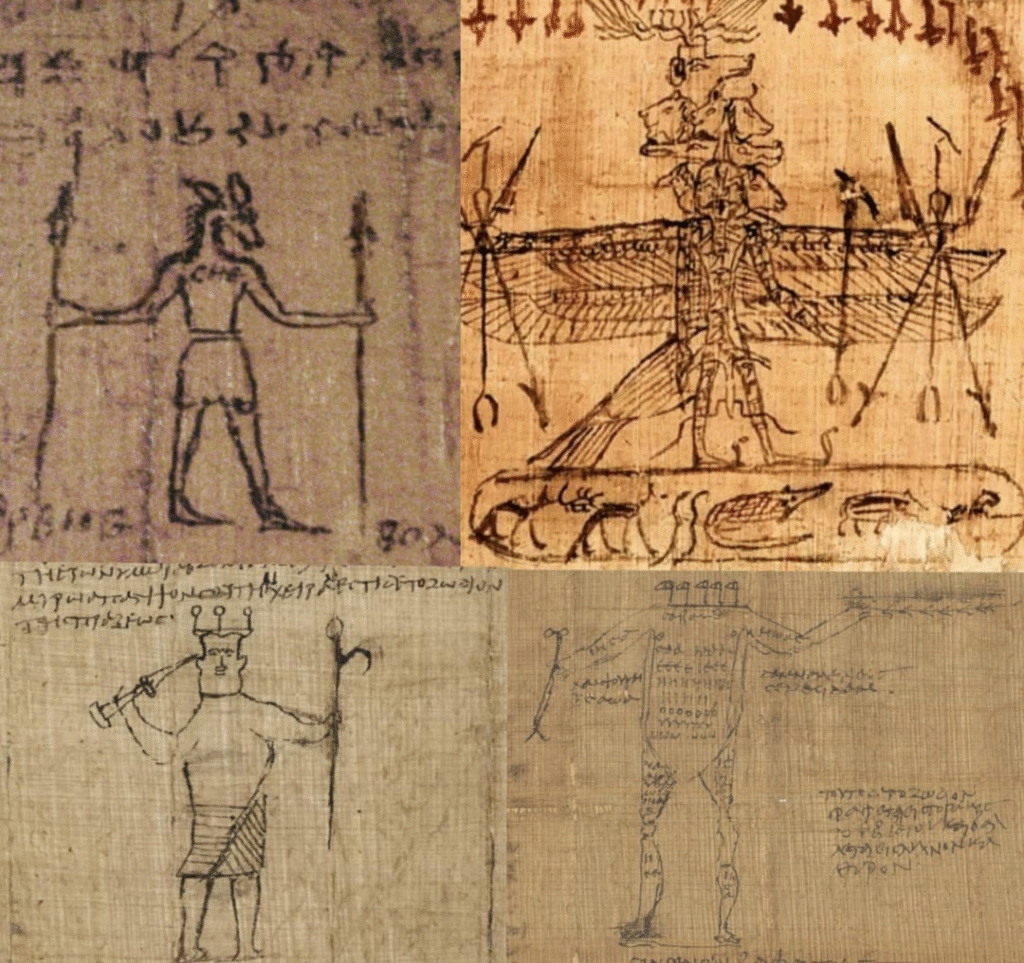
Love magic is not a modern idea. Traditions connected with love, attraction, marriage, and fertility have been recorded for thousands of years across many parts of the world, making it one of the oldest and most widely documented forms of ritual practice.
Historical evidence shows that people in ancient civilizations developed ceremonies, written charms, symbolic objects, prayers, and rituals intended to influence different aspects of love and relationships. These practices appeared long before the modern ideas of spell books or online rituals.
Among the earliest surviving examples are texts from Mesopotamia, followed by records from Ancient Egypt, the Greco-Roman world, and later European and Middle Eastern traditions. Although each culture developed its own customs, many shared a common belief that symbolic actions, spoken words, meaningful objects, or sacred ceremonies could express hopes connected with love, commitment, reconciliation, or fertility.
Over time, these traditions continued to evolve.
Some became part of local folklore.
Some blended with religious customs.
Others were preserved through family traditions, ceremonial practices, or regional forms of folk magic.
Because love magic developed independently across different cultures, there has never been one universal method or one single tradition that defines it. Instead, it has become an umbrella term covering centuries of beliefs, rituals, symbolism, and practices connected with human relationships.
Understanding those historical roots makes it easier to see why modern love magic includes such a wide variety of approaches today.
How Has Love Magic Changed Across Different Cultures?
Love magic has never belonged to one country, religion, or spiritual tradition. Over thousands of years, different cultures developed their own ways of expressing hopes for love, marriage, fertility, reconciliation, and emotional connection.
Although the methods often differed, many shared a similar purpose: using meaningful symbols, spoken words, rituals, or ceremonies to represent a desired relationship outcome.
In some traditions, prayers and blessings became central to relationship ceremonies.
Others developed symbolic rituals involving herbs, flowers, oils, candles, written charms, or personal objects connected with the people involved.
Across Europe, Africa, Asia, the Middle East, and the Americas, local customs blended with regional beliefs, creating countless variations of love magic that reflected each community’s history and spiritual practices.
As cultures interacted through trade, migration, and changing religious traditions, many of these practices also evolved. New ideas were adopted, older customs were adapted, and local folklore often merged with broader spiritual systems.
That is one reason love magic looks so different from one tradition to another.
A ritual that is familiar in one culture may be completely unknown in another.
Even when two traditions use similar symbols, they may attach very different meanings to them.
Rather than following one universal formula, love magic has continued to develop alongside the people and cultures that practise it.
Understanding that diversity helps explain why modern discussions of love magic include everything from ancient folklore and ceremonial traditions to contemporary spiritual practices and personal rituals.
What Are the Main Purposes of Love Magic?
Throughout history, love magic has been practised for many different reasons. Although the rituals, symbols, and traditions vary, most forms of love magic are intended to support a particular relationship goal rather than serving one universal purpose.
Some traditions focus on attracting a compatible partner or encouraging new romantic opportunities.
Others centre on strengthening an existing relationship through greater trust, affection, or emotional closeness.
Historical records and modern traditions also describe practices associated with reconciliation after conflict, marriage and commitment, fertility, protection, emotional healing, and self-love.
Rather than viewing love as a single experience, many traditions recognise that relationships change over time. A couple rebuilding trust after years together has different needs from someone beginning a new relationship, just as someone recovering from heartbreak may first focus on personal healing before seeking romance again.
That variety of intentions is one reason the tradition developed so many different rituals and symbolic practices over the centuries.
Love spells are one expression of those purposes.
Relationship ceremonies, seasonal customs, prayers, charms, blessings, and symbolic rituals are others.
The shared theme is not the ritual itself.
It is the intention behind it.
How Do Symbols, Objects, Words, and Actions Work Together?
Across many traditions, love magic is built on the idea that physical actions can represent emotional intentions. Rather than viewing a ritual as a random collection of objects, many cultures developed symbolic practices where every word, action, colour, or item carried a particular meaning.
That symbolism is one reason similar themes appear throughout the history of love magic, even when the traditions themselves developed in different parts of the world.
A candle may represent hope, warmth, or the desire for a relationship to grow.
A written petition can symbolise a clearly defined intention.
Flowers and herbs may reflect qualities such as affection, harmony, or emotional healing.
Honey has long appeared in relationship traditions as a symbol of sweetness, kindness, and restoring warmth between people.
Even simple actions, such as speaking a blessing, tying a knot, exchanging rings, writing a name, or offering a prayer, have historically carried symbolic meaning within different spiritual and cultural traditions.
Although the symbols vary, the underlying principle remains remarkably consistent: expressing an intention through meaningful actions rather than words alone.
For that reason, many practitioners view preparation as an important part of the process. Reflecting on the relationship, clarifying an intention, choosing meaningful symbols, or creating a quiet space are often considered just as significant as the ritual itself.
Love magic has therefore been understood not simply as performing an action, but as combining intention, symbolism, and tradition into a meaningful practice.
Common Correspondences in Love Magic
Over centuries, different traditions have associated certain colours, plants, stones, celestial bodies, and days with particular relationship intentions. These symbolic associations are commonly known as correspondences and remain one of the most recognisable features of love magic today.
Although interpretations vary between cultures and spiritual systems, several symbols appear repeatedly throughout historical and modern traditions.
| Correspondence | Traditionally Associated With |
|---|---|
| Pink | Affection, compassion, emotional warmth |
| Red | Passion, romance, desire, commitment |
| Rose quartz | Love, emotional healing, self-love |
| Rose petals | Romance, beauty, affection |
| Lavender | Peace, harmony, emotional balance |
| Cinnamon | Passion, attraction, warmth |
| Honey | Sweetening relationships and encouraging kindness |
| Friday | Traditionally associated with Venus, love, and relationships |
| Waxing Moon | Growth, attraction, new beginnings |
| Full Moon | Emotional clarity, fulfilment, strengthening intentions |
| Written petitions | Defining a clear intention |
| Affirmations and spoken words | Focusing thought and expressing purpose |
These correspondences should not be viewed as universal rules. Their meanings have developed through different cultural traditions, regional folklore, and spiritual systems, which is why the same herb, colour, or symbol may carry different interpretations depending on the tradition being followed.
Some practitioners incorporate many symbolic tools into a single ritual.
Others rely almost entirely on prayer, meditation, visualization, or spoken affirmations without using physical ingredients at all.
Understanding these correspondences is less about collecting objects and more about appreciating the symbolic language that has developed around love magic over many centuries.
If you’d like to explore these traditions in greater depth, our guides on Essential Oils for Love Spells, and Love Spells Without Ingredients explain how different approaches use symbolism in different ways.
Love Magic, Love Magick, and Witchcraft: Are They the Same?
Although the terms are often used together, love magic, love magick, and witchcraft do not all mean the same thing.
Love magic is the broad tradition of spiritual beliefs, symbolic practices, and relationship-focused rituals that have developed across many cultures throughout history.
Within that wider tradition are many different paths, one of which is witchcraft.
The spelling love magick is simply an alternative form of love magic. It became popular in some modern occult traditions to distinguish spiritual practice from stage magic or entertainment. Today, both spellings generally refer to the same broader concept.
Witchcraft, however, is much broader than love magic.
Depending on the tradition, witchcraft may include practices connected with protection, healing, prosperity, divination, cleansing, ancestor work, seasonal celebrations, banishing, and many other forms of spiritual practice. Love-related workings represent only one area within that much larger system.
A simple way to understand the relationship is:
| Term | What it refers to |
|---|---|
| Love Magic | The wider tradition of relationship-focused spiritual practices and symbolism |
| Love Magick | An alternative spelling of love magic used in some occult traditions |
| Love Spells | Individual rituals or workings performed within love magic |
| Witchcraft | A broader spiritual practice that may include love magic alongside many other forms of spellwork |
That distinction also explains why someone searching for love magic is not necessarily looking for witchcraft.
They may be researching historical traditions.
They may be exploring folklore.
They may be interested in symbolism, rituals, or cultural practices connected with relationships.
Someone searching specifically for love spells in witchcraft usually wants to understand how relationship-focused spellwork is approached within witchcraft traditions, including correspondences, altar work, moon phases, spell construction, and magical systems.
Those topics deserve their own discussion rather than being treated as the definition of love magic itself.
Why Is Love Magic So Ethically Debated?
Few areas of spiritual practice generate as much discussion as love magic.
For centuries, people have debated where the line exists between expressing a personal intention and attempting to influence another person’s emotions or choices. Those conversations continue today, with different traditions and practitioners often reaching different conclusions.
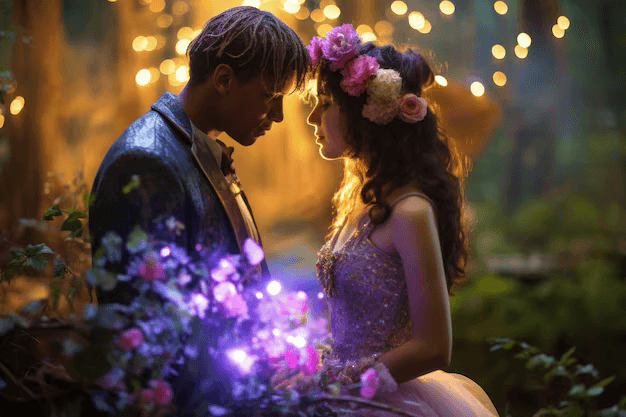
One viewpoint sees love magic primarily as a practice of self-improvement, emotional healing, relationship growth, or inviting compatible love into one’s life. From this perspective, rituals are intended to encourage personal transformation rather than control another individual.
Others believe love magic may also be directed toward an existing relationship, particularly when the intention is to rebuild communication, restore harmony, or strengthen an established emotional bond.
The greatest disagreement usually arises when rituals are intended to influence a specific person without their knowledge or consent.
Many modern practitioners caution that attempting to override another person’s free will can raise ethical concerns and may lead to unhealthy expectations, emotional dependency, or obsessive behaviour. Others argue that every spiritual tradition has its own moral framework and that intention, responsibility, and personal accountability matter more than any universal rule.
Because there is no single authority governing love magic, these conversations continue across different spiritual communities, cultural traditions, and schools of thought.
One point, however, appears consistently throughout modern discussions.
Love magic is most often approached as a way of encouraging positive change, self-reflection, healthier relationships, or mutual connection rather than replacing honest communication, respect, or personal responsibility.
Understanding those ethical discussions is an important part of understanding love magic itself, because they have shaped how many modern practitioners choose to approach the tradition today.
Does Love Magic Work?
Whether love magic works depends on personal beliefs, spiritual traditions, and individual experiences. There is no scientific evidence that love magic can directly create romantic feelings or guarantee a relationship outcome. Even so, people have continued to practise forms of love magic for thousands of years because they believe these traditions can support intention, emotional clarity, personal growth, or relationship-focused spiritual work.
One reason the topic remains so widely discussed is that people often define “working” in different ways.
For one person, success may mean feeling emotionally ready to move on after heartbreak.
For another, it may mean rebuilding communication with a partner or strengthening an existing relationship.
Someone else may view love magic as a spiritual practice that encourages reflection, confidence, or healthier relationship habits rather than expecting an immediate change in another person.
That difference in expectations explains why discussions about love magic often produce very different answers.
Some people describe meaningful personal experiences.
Others see love magic primarily as symbolism, ritual, or a way of expressing intention.
Many modern practitioners also emphasise that love magic should complement honest communication, mutual respect, and personal responsibility rather than replace them.
This perspective appears repeatedly in discussions across spiritual communities, where the focus is often placed on self-improvement, attraction through personal growth, and strengthening existing relationships instead of attempting to control another person’s choices.
Ultimately, asking whether love magic “works” may be less useful than asking a different question:
What role do you believe spiritual practice should play in your relationships?
The answer to that question often shapes how people approach love magic, what they hope to achieve, and how they interpret the results they experience.
How Is Love Magic Practised Today?
Love magic continues to be practised around the world, although the traditions, beliefs, and methods vary widely. Some people follow family customs that have been passed down through generations, while others draw inspiration from folk traditions, ceremonial systems, religious practices, or modern forms of spiritual exploration.
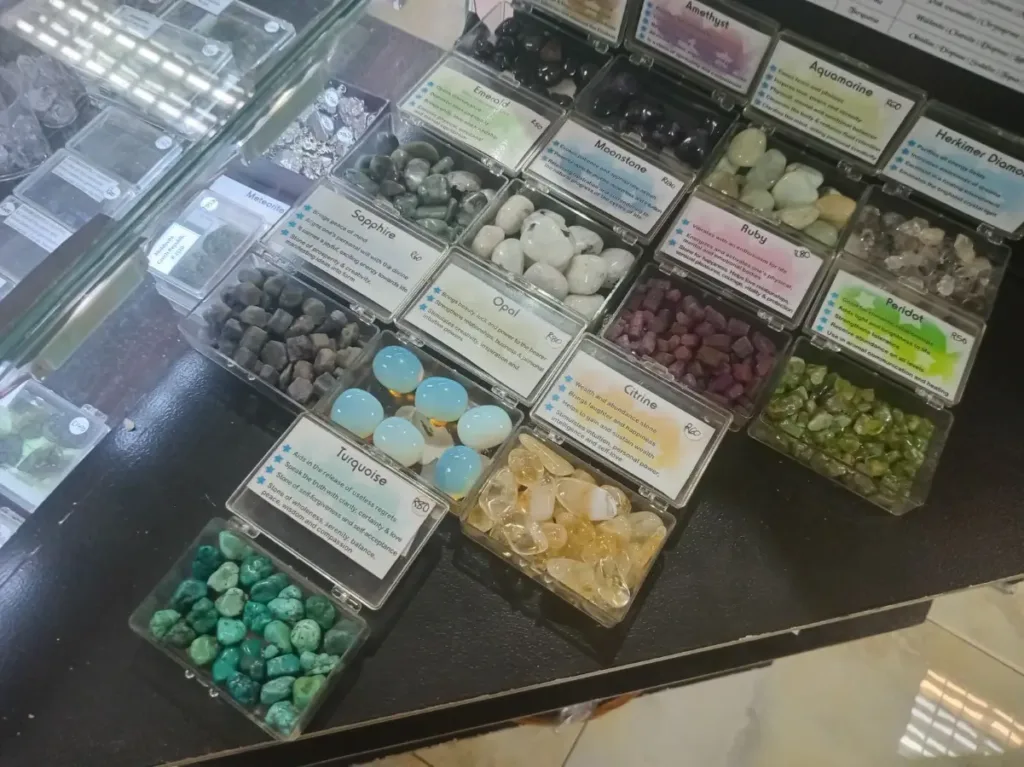
Today, love magic is often approached in ways that reflect an individual’s beliefs and relationship goals rather than one universal tradition.
Some people focus on self-love and emotional healing.
Others explore attraction work when they feel ready for a new relationship.
Some seek guidance for strengthening an existing partnership, improving communication, or rebuilding trust after a difficult period.
Modern practitioners also differ in how they express their spiritual practice.
Some prefer rituals involving candles, herbs, crystals, or written petitions.
Others choose approaches centred on prayer, meditation, visualization, affirmations, or spoken intentions without relying on physical tools.
For many people, love magic is not viewed as replacing communication, personal responsibility, or mutual effort. Instead, it is considered one part of a broader spiritual or personal journey that may include self-reflection, relationship guidance, and emotional growth alongside symbolic ritual.
If you’re interested in exploring how different types of love spells are used today, our Magic Love Spells That Work guide explains the relationship goals people commonly seek, why different spell categories exist, and why choosing the right approach often matters more than searching for the strongest ritual.
Frequently Asked Questions About Love Magic
What is considered love magic?
Love magic is the broader practice of using symbolic rituals, traditions, prayers, intentions, and spiritual methods that focus on love and relationships. It includes attraction work, self-love, reconciliation, relationship healing, and many forms of love spells practiced across different cultures and belief systems.
Is love magic the same as a love spell?
No. Love magic is the wider spiritual tradition, while a love spell is one specific ritual performed within that tradition. In the same way that music is a broad category containing many different songs, love magic includes many different types of rituals, symbols, and practices.
Does love magic always involve spells?
No. Some traditions rely on prayer, meditation, visualization, affirmations, or symbolic rituals without casting what many people would describe as a spell. Others place greater emphasis on personal reflection or devotional practices than on formal rituals.
Why do different traditions use different symbols?
Love magic has developed across many cultures over thousands of years. As a result, different traditions associate different herbs, candles, colours, crystals, prayers, and rituals with similar relationship goals while reflecting their own history and spiritual beliefs.
Is love magic always connected with witchcraft?
No. Witchcraft represents one tradition that may include love magic, but love magic also appears in folk customs, religious traditions, ceremonial systems, and other spiritual practices around the world. Not everyone who practises love magic identifies with witchcraft.
Can love magic be practised without candles or herbs?
Yes. Although physical symbols such as candles, herbs, crystals, and honey are widely recognised, many traditions also use prayer, meditation, visualization, affirmations, or written intentions without relying on ritual ingredients. If you’re interested in those approaches, our Love Spells Without Ingredients guide explores methods that focus on intention rather than physical tools.
Why is love magic considered controversial?
Much of the debate centres on ethics rather than the rituals themselves. Discussions often focus on topics such as consent, free will, personal responsibility, and whether spiritual practices should encourage personal growth or attempt to influence another person’s choices.
Where should I start if I’m new to love magic?
The best place to begin is by understanding the purpose behind different traditions before exploring individual rituals. Once you understand the broader principles of love magic, our Magic Love Spells That Work guide explains the different relationship goals people commonly seek and how various spell categories are traditionally associated with those situations.
Conclusion
Love magic is far broader than a single spell or ritual. It is a collection of spiritual traditions, cultural practices, symbols, and beliefs that people have used for centuries to explore love, relationships, attraction, reconciliation, commitment, and emotional healing.

Understanding that broader picture makes it easier to understand why different forms of love magic exist in the first place.
Someone hoping to attract a new relationship may follow a very different tradition from someone rebuilding trust in a marriage. Likewise, a person exploring self-love or emotional healing is not necessarily seeking the same guidance as someone interested in reconciliation or improving communication with an existing partner.
That is why learning the principles behind love magic is often more valuable than searching for a single ritual that promises to solve every relationship challenge.
Throughout Love Spell Hub, you’ll find detailed guides exploring the different branches of love magic, from attraction and reconciliation to communication, commitment, self-love, and relationship healing. Each guide examines one area in greater depth while remaining connected to the wider tradition explained on this page.
If you’re ready to explore how these traditions are applied in different relationship situations, Magic Love Spells That Work is the best place to continue. It explains the different categories people commonly seek, what “working” means in practice, and why choosing the right type of love spell often matters more than searching for the strongest one.
You may also find these guides helpful:
- Magic Love Spells That Work if you want to understand how different love spells are traditionally associated with different relationship goals.
- Essential Love Spells for an overview of the major categories of relationship-focused spells.
- Love Spells Without Ingredients if you’re interested in intention-based practices that don’t rely on physical tools.
- Love Spell Chants to learn how spoken words, affirmations, and traditional chants have been incorporated into different spiritual traditions.
- Love Spells Witchcraft if you’d like to explore how love magic is approached specifically within witchcraft traditions.
Whether you’re researching the history of love magic, exploring different spiritual traditions, or simply trying to understand why these practices have endured across cultures for thousands of years, beginning with the wider tradition provides a stronger foundation than focusing on any single ritual alone.
- Spell Caster in the USA: Finding Genuine, Experienced Spell Work - August 23, 2026
- Love Spells That Work: What Works for Different Relationship Situations - August 20, 2026
- Best Love Spells in Pretoria - August 17, 2026